
In 2025, provincial and city-level authorities in Vietnam adopted various technology-enabled approaches to flood risk management, marking a shift from fragmented and reactive systems to a more coordinated, data-driven approach. ISET-International’s Toan Vu explains the impact of the interventions, and the factors that led to their success.
2025 was a pivotal year for the Zurich Climate Resilience Alliance’s work in Vietnam, with which I’ve been involved since 2021. Leveraging technology to increase community resilience to floods has had a significant impact on how these events are prepared for, and responded to. Taken together, the interventions positively impacted 307,266 people in 2025.
Improved systems, built on local knowledge
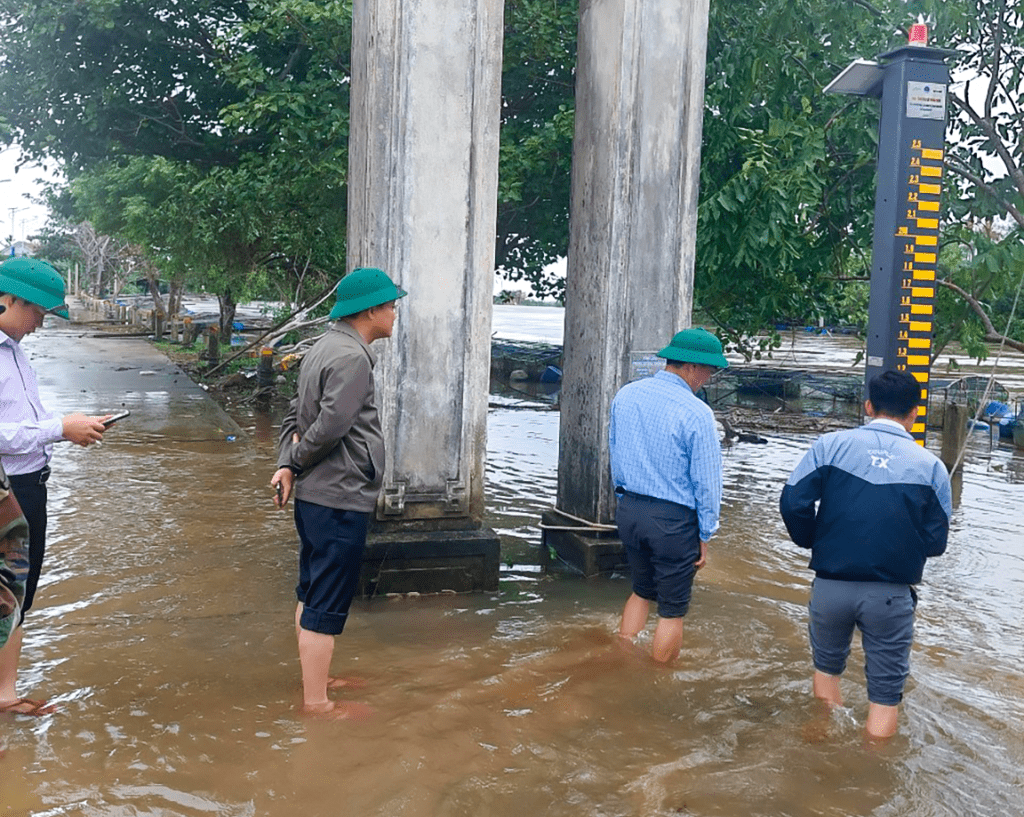
Both Gia Lai Province and Huế City now systematically embed community-captured data on flood events (such as high-water marks) in official Disaster Risk Management databases and platforms. Based on a successful ISET-International pilot programme, these publicly accessible datasets now directly inform Early Warning Systems, preparedness, and infrastructure planning.
ISET colleagues and I also worked closely with both local authorities in Gia Lai and the provincial Climate Change Coordination Office on the upgrading of an existing geographic information platform. The platform contains comprehensive data on rainfall, river levels, smart flood tower data and historic maps – including data derived from the flood trace study conducted by the team – and has been widely adopted by the population. Visits surged from 2.1 million in 2021 to over 12.8 million by October 2025, with peaks during flood seasons.
In Huế, authorities transitioned from the ad-hoc installation of smart flood-warning towers to a strategic, citywide ‘roadmap’ featuring over 180 locations. Information from the towers (initially piloted by ISET in 2023) is fully integrated into official systems and used by communities for real-time decision-making.
Obtaining buy-in for sustainable impact
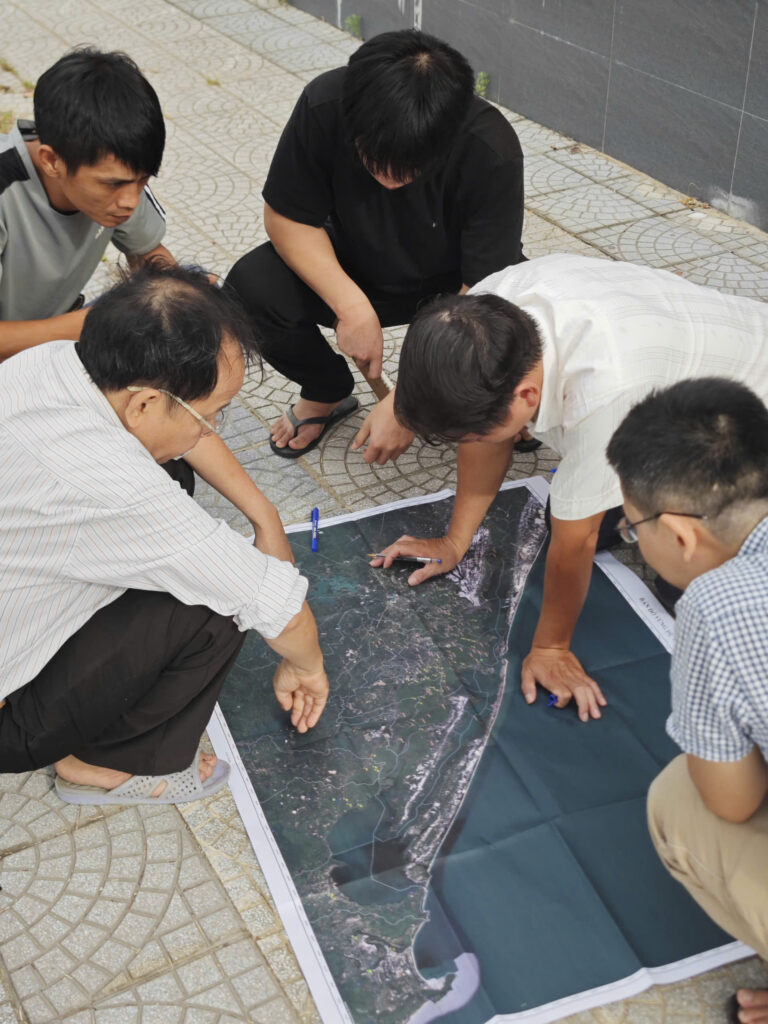
Of course, none of this was the result of a single moment, but rather a combination of critical factors in a long, continuous, process. Our approach focused on deep stakeholder engagement at all levels, built around ‘learning by doing’; from data collection and grading to intervention design and implementation, we involved provincial DRM authorities and community level actors at every stage of the process.
As well as building capacities at all levels, this approach also strengthened local ownership of the outcomes. That, combined with aligning solutions to existing government systems and securing commitments for future maintenance, will help ensure that these measures have long-term viability and sustainability at their core.
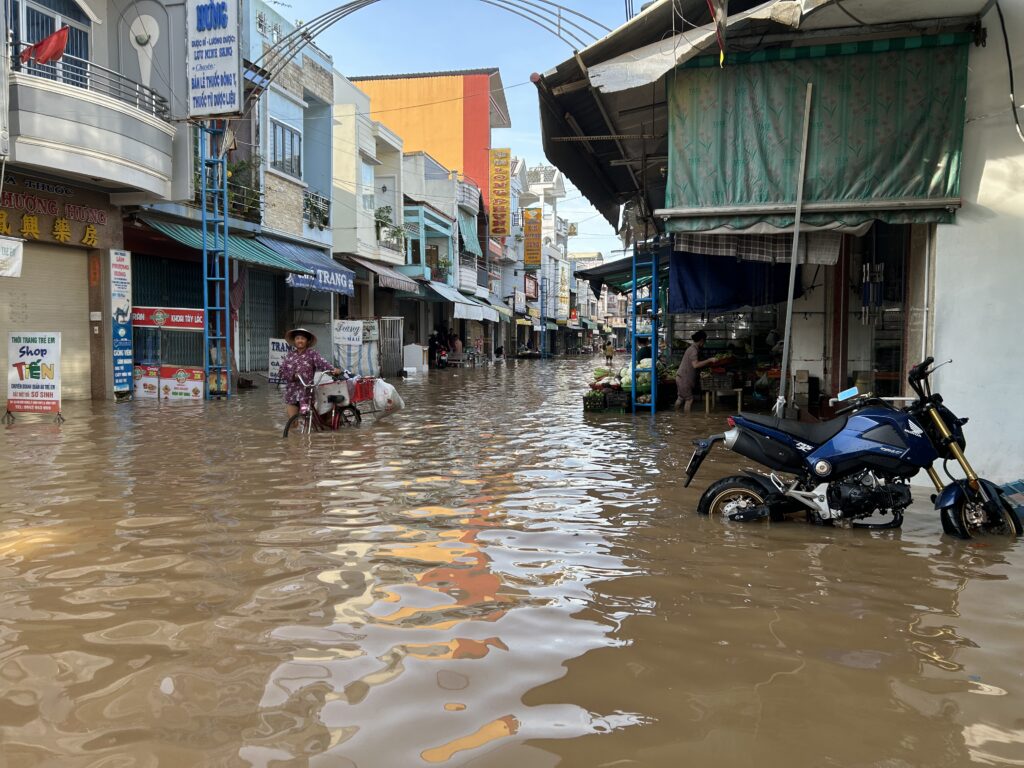
Promisingly, after historic floods in October and November 2025, Huế independently initiated the DRM database update, indicating a significant increase in institutional ownership and capacity to manage updates without external support.
Resilience boosted by improved understanding
I have been fortunate to work directly with people across different scales, from communities to national agencies and across multiple provinces. As the Alliance project progressed, I’ve noticed that understanding of resilience has come a long way. At first, many stakeholders weren’t very familiar with it – but when conducting focus groups to gather information as part of the Climate Resilience Measurement for Communities (CRMC) process, it was encouraging to see that communities were already much more familiar with resilience-related concepts than they had been in the early stages.
More broadly, I’ve noticed a general shift in mindset at all levels, towards a more proactive approach to resilience. For example, at the beginning of the programme, I was the one asking our local partners about redundancies in worst-case scenarios. Now they are the ones actively raising questions about redundancy and how the system performs under extreme conditions.
The interventions themselves are also leading to observable differences in the way that communities view climate risks. Where local leaders once relied on loudspeakers to relay information and instruction from higher levels of government, now they use their smartphones to access real-time information from multiple sources (such as water levels in rivers, and levels of upstream rainfall) whenever needed. This shift is already enhancing decision-making, and will continue to strengthen the ability of communities to take rapid action to prepare for flood events.
Lessons for the future
With its long coastline, frequent tropical storms and ever-increasing heatwaves, Vietnam remains highly vulnerable to climate-related hazards. There is much still to do, so my colleagues at ISET-International and I will continue to encourage and support a systemic and holistic approach to the country’s flood risk management.
Based on the progress we’ve seen so far, we’ll ensure that sustainability and ownership are considered right from the outset. As we continue to strengthen Early Warning Systems, we know that system integration, redundancies and clear, operational responsibilities matter just as much as technical innovations. And all the while, we’ll build on the existing trust and productive relationships we’ve established with our partners and other stakeholders, to ensure that Vietnam has a bright, resilient future.
You can learn more about the Alliance’s work in Vietnam here. Take a look at our ‘Action to Impact’ digital report to read more impact stories from the Alliance.
Comments