Our Impact
Since 2013, the Zurich Climate Resilience Alliance (previously the Zurich Flood Resilience Alliance) has helped millions of people strengthen their resilience to climate hazards.
Our programmes have reached climate-vulnerable communities in 22 countries, helping influence policy, leverage finance and shape how climate adaptation is delivered at scale.
Over time, our work has evolved in response to growing climate risks. What began as a focus on flood resilience has expanded to address multiple hazards, including heatwaves, storms, and wildfires.
Today we combine people-centred action with systems change – drawing on our most significant successes to date, our evidence, and strategic partnerships to scale what works and influence deep, sustainable impact.
Impact through the years
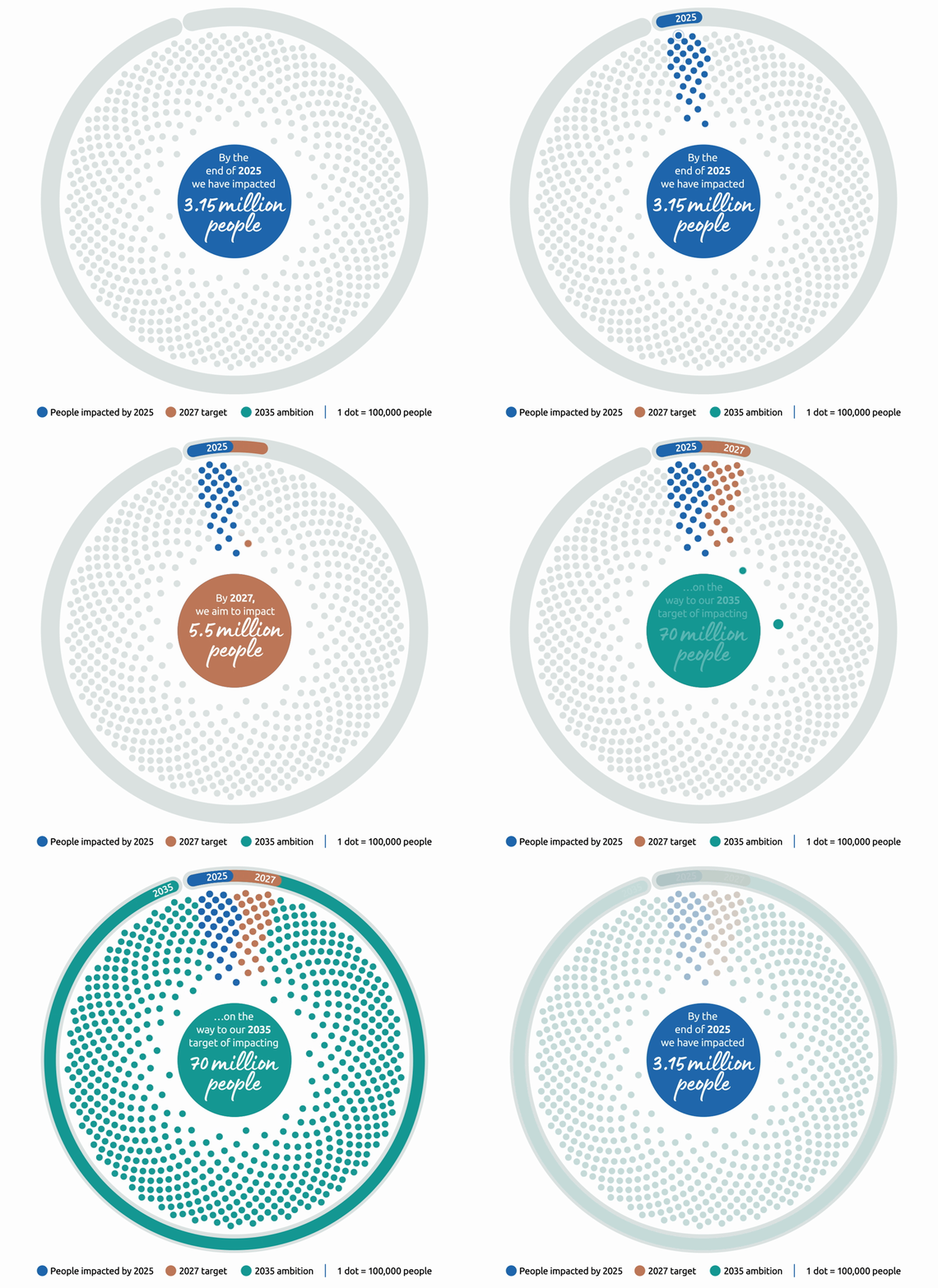
3.15m
People impact in 2025
5.5m
People we aim to impact by 2027
250+
Communities across 15 countries
Multiple hazards
Floods, heatwaves, wildfires and storms
Phase III marks the launch of the Zurich Climate Resilience Alliance as an expanded climate programme, building on earlier flood resilience work to achieve systems change at scale and deepen resilience to multiple climate hazards.
With long-term, flexible funding, Alliance teams work towards systems change through community-centred programmes, research, and influence that strengthen resilience policy, spending and practice. Funded by the Z Zurich Foundation, the Alliance aims to impact 5.5 million people by 2027, alongside an ambition to positively impact 70 million people by 2035.
3.1m
People impacted
US$1.26m
Influenced in spending
29
Programmes across 24 countries
4.8m
Data points collected by the FRMC
Building on Phase I and with a deeper commitment to collaboration, Phase II significantly expanded its ambition, committing to strengthen the flood resilience of 2 million people and to influence an additional USD 1 billion toward climate-smart, risk-informed development. To achieve its targets, the Alliance focused on three objectives: improve flood resilience practice, increase flood resilience funding, and improve flood resilience policy.
Through a combination of flexible funding, FRMC-based community programmes, research, knowledge sharing and evidence-informed advocacy, the Alliance developed contextually grounded programmes and maximised its impact, exceeding its targets for people reached and funding influenced. In addition, the Alliance saw improved flood outcomes in Alliance communities and countries.
Globally, Alliance advocacy contributed to increased adaptation finance and progress on Loss and Damage. At country level, programmes supported community-led action , strengthened inclusive decision-making, integrated local priorities into policy, scaled proven resilience tools and practices, increased local resilience financing, improved community infrastructure, and supported more flood-resilient livelihoods.
225,000
Direct beneficiaries of the Alliance
9,024
Preparedness and prevention trainees
110
Communities across 9 countries
10
Community centres built
Focused exclusively on flood resilience, the primary objective of Phase I was to shift disaster management away from post-event recovery towards pre-event risk reduction and resilience-building actions.
The programme worked with more than 110 communities across nine countries, benefiting over 225,000 direct people through the implementation of practical, community-level solutions. Phase I was instrumental in gathering strong evidence that investing in prevention is both effective and cost-efficient.
The Flood Resilience Measurement for Communities (FRMC), now the Climate Resilience Measurement for Communities (CRMC), was developed to help communities evaluate and measure their resilience to floods. Using the results, communities can identify and implement resilience-building interventions and carry out additional measurements to track improvements. During Phase I, more than 1.1 million data points were created to measure flood resilience.
Related resources
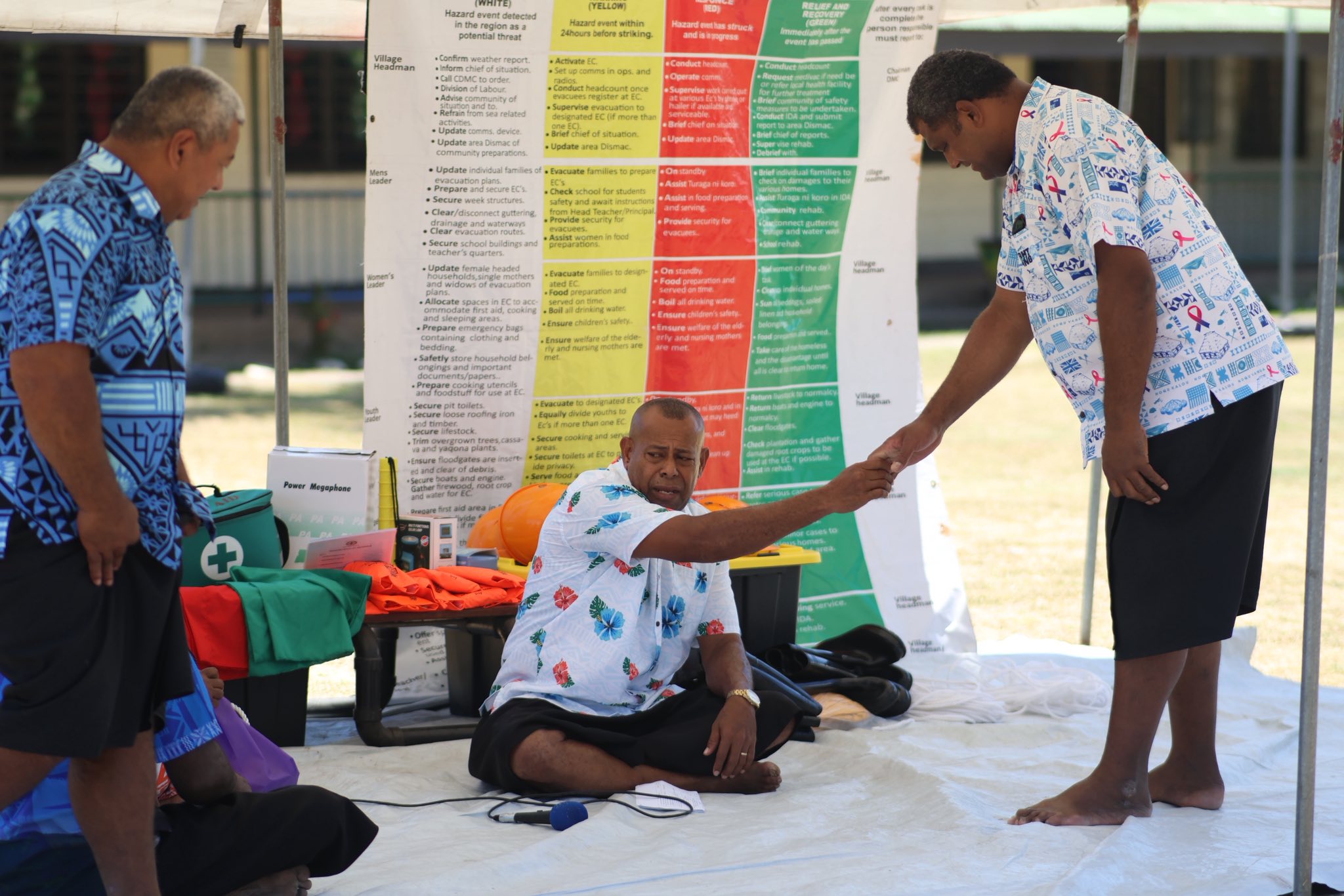
Inclusion and expertise drive major disaster risk management changes in Fiji
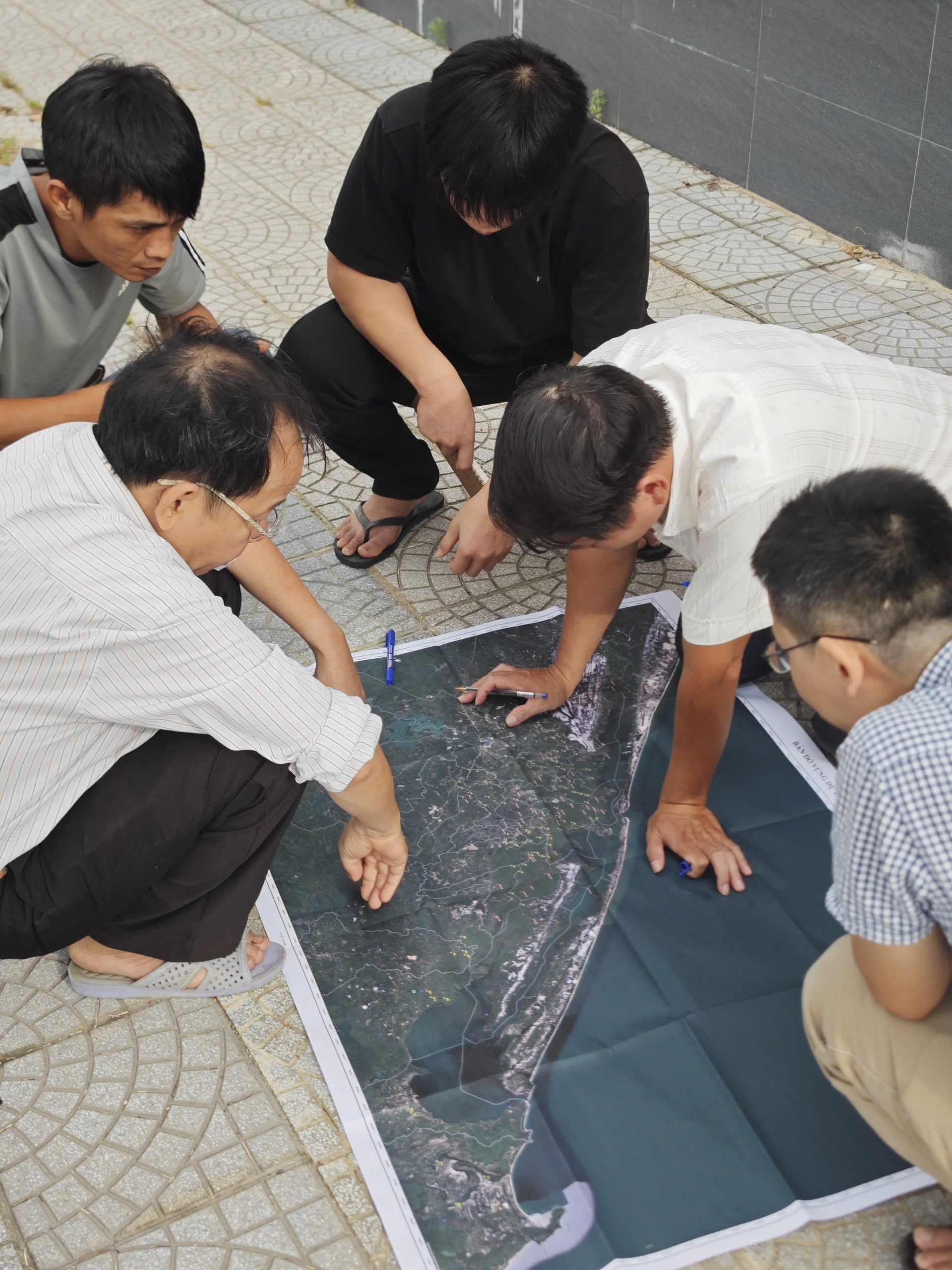
Local insights inform new flood risk management technologies in Vietnam
Technology-enabled approaches to flood risk management in Vietnam are helping those living in at-risk communities to stay informed, as well as contribute their own observations. With the support of ISET-International, local authorities have begun incorporating community-recorded data on flood events into official, publicly accessible systems, and expanding the use of smart flood towers that help those affected take timely and appropriate actions.
Partnerships deliver long-term success in El Salvador
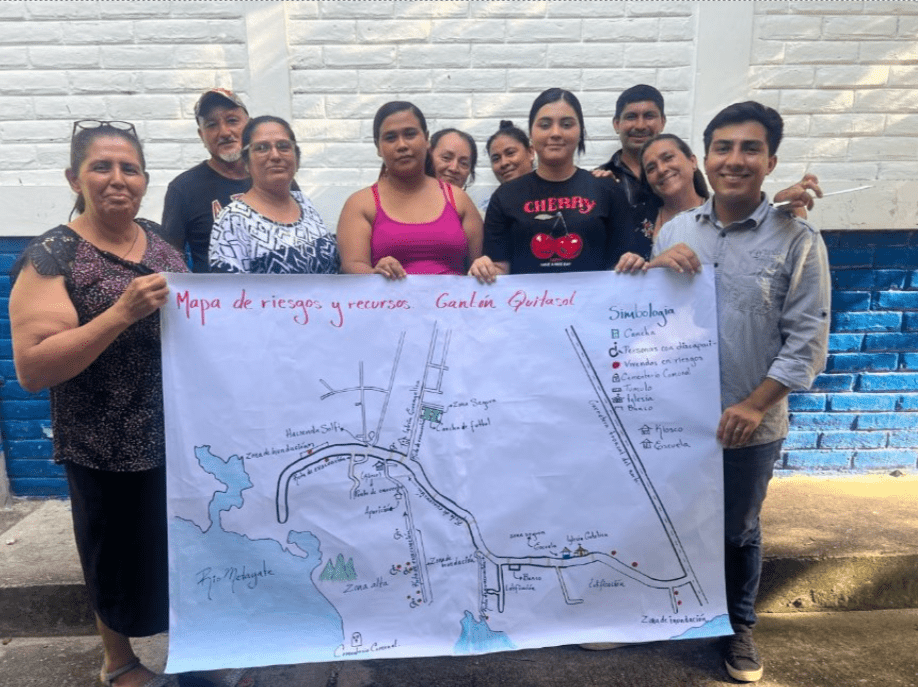
Plan International brought El Salvador’s Ministry of the Environment and Civil Protection Directorate together in an unprecedented collaboration to make significant and sustainable improvements to disaster risk management. Through workshops, training, and joint planning, the partnership led to the agreement of a national work plan – the implementation of which is strengthening climate resilience in multiple ways, from weather forecasting to disaster response.