
Through a unique partnership aimed at strengthening Disaster Risk Management (DRM) tools and messaging, national-level institutions in El Salvador are improving public engagement and awareness regarding climate hazards and ensuring that early forecasts lead to early action. Plan International’s Mario Serrano explains the how bringing different actors together will improve the flood resilience of 922,039 people across El Salvador.
Both the Ministry of the Environment and the National Directorate of Civil Protection of El Salvador play key roles in communicating flood risk across my country. With support from Plan International (as part of the Zurich Climate Resilience Alliance), they have combined their expertise to deliver long-term change, providing clearer, more accessible DRM messaging that communities can better understand and act on.
Fixing a siloed system
Previously in El Salvador, DRM plans and policies focused predominantly on post-event recovery rather than preparedness. Forecasts and information about flood events were often hard to access, or too technical for all people to understand. As a result, communities were not as prepared for flood events as they should have been.
Addressing this would require significant changes to existing ways of working, including designing communication protocols that clearly reflected the roles, functions, and internal structures across the Ministry of the Environment and the National Directorate of Civil Protection.
Although communication between these institutions did exist, there was definitely room for improvement. For example, the absence of clear protocols often resulted in inaccurate alerts or delayed responses that would disproportionately affect vulnerable communities.
An unprecedented collaboration
Plan International facilitated a stronger collaboration by inviting both entities to participate in workshops that supported training and joint planning, with the aim of strengthening resilience to floods and other hazards.
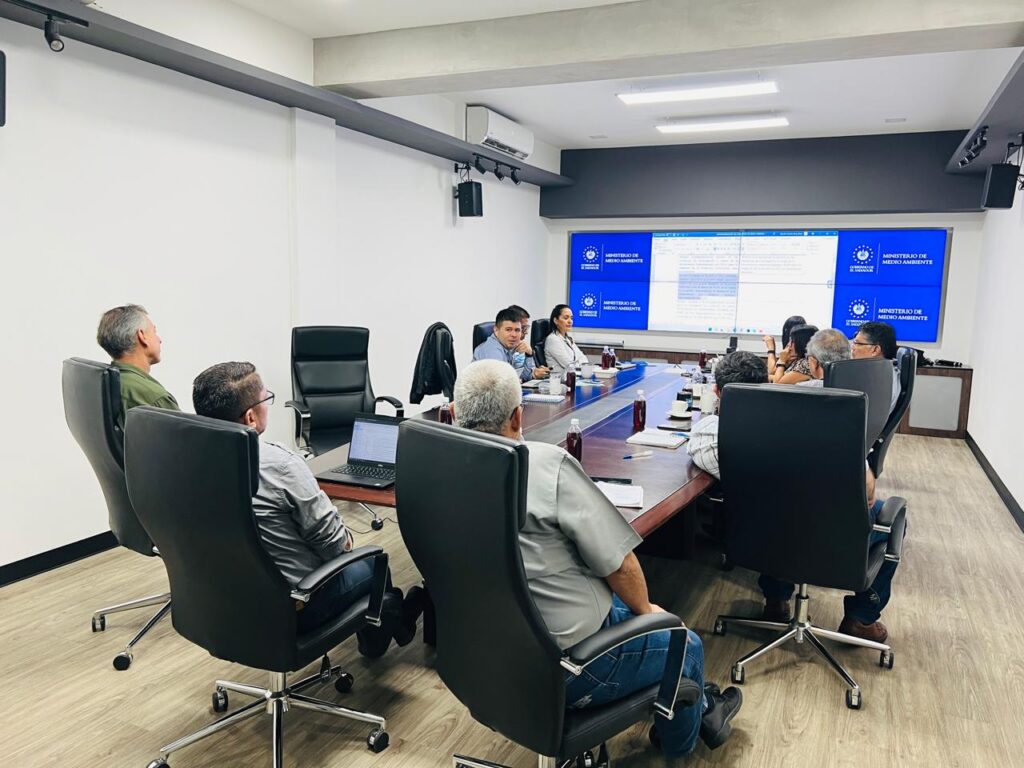
A crucial part of the collaboration involved defining the roles and responsibilities of each institution, and getting clarity on how the work of one impacted the other’s response capacity. For example, the Ministry of the Environment generates critical information such as weather alerts and forecasts, which the Civil Protection relies on to implement timely and accurate operational responses. Clarifying this substantially improved the teams’ understanding of technical information, illustrating how systems are made stronger when institutions work together rather than alone.
As a result of the collaboration, the two institutions are now implementing a four-year work plan which is improving resilience to climate hazards through improved forecasting, training and communication. By strengthening collaboration and coordination across government departments, Early Warning System information in El Salvador is disseminated in clear, accessible language to those most at risk. Communities are now better informed about how to respond to alerts triggered by climate hazards.
A particularly valuable experience for me happened during one of the accountability sessions that we facilitated. Technical teams from the Ministry of the Environment presented impact-based forecasts in formats that were accessible and easy to understand. Civil Protection specialists were then able to quickly interpret this information, and begin preparations sooner. This really demonstrated how coordinated systems save valuable time.
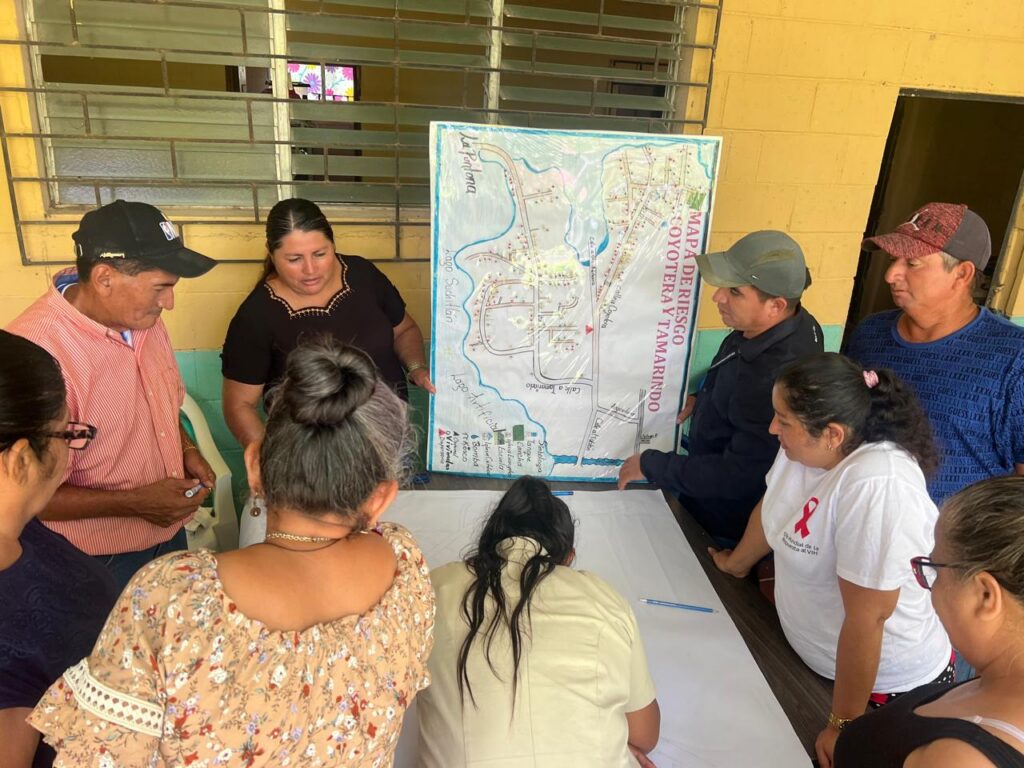
One lesson that we took away from these sessions is that a high degree of flexibility is an essential element of long-term advocacy efforts. For us, we soon realised that we needed more of these working sessions than originally anticipated – so with the vision of a more resilient El Salvador in mind, we made the time to do just that.
Partnerships deliver progress
The institutions in place to protect the communities vulnerable to floods and other climate hazards must coordinate work across sectors if we are to see sustainable community resilience being built. Not only does the success of interventions depend on technical implementation, but also on creating these institutional structures that enable the sustainability and continuity of coordinated efforts.
Seeing the lasting impact of Early Warning Systems, established through strong coordination across regions, has been deeply rewarding for all of us. Families are better prepared, institutions are responding faster, and forecasts and warnings now serve their ultimate purpose: protecting and saving lives.
You can learn more about the Alliance’s work in El Salvador here. Take a look at our ‘Action to Impact’ digital report to read more impact stories from the Alliance.
Comments