
2025 marked a decisive shift toward proactive disaster prevention in Fiji – one that will have a major, lasting impact on the country, as well as in the wider Pacific region. The IFRC’s Jen Stewart, who has been involved with the Zurich Climate Resilience Alliance programme in Fiji since its inception, explains what has changed, and how it came to pass.
In 2025, the government of Fiji formally endorsed a new national Early Warning Systems strategy, in timely alignment with recent overhauls to the country’s Disaster Risk Management (DRM) laws. Both will dramatically increase the level of action taken before hazards occur, reducing the likelihood of disasters and positively impacting approximately 950,000 people.
The Early Warning ‘roadmap’ – the first of its kind in Fiji – provides a clear, coordinated approach, addresses long-standing challenges, and prioritizes inclusive engagement of vulnerable and indigenous communities.
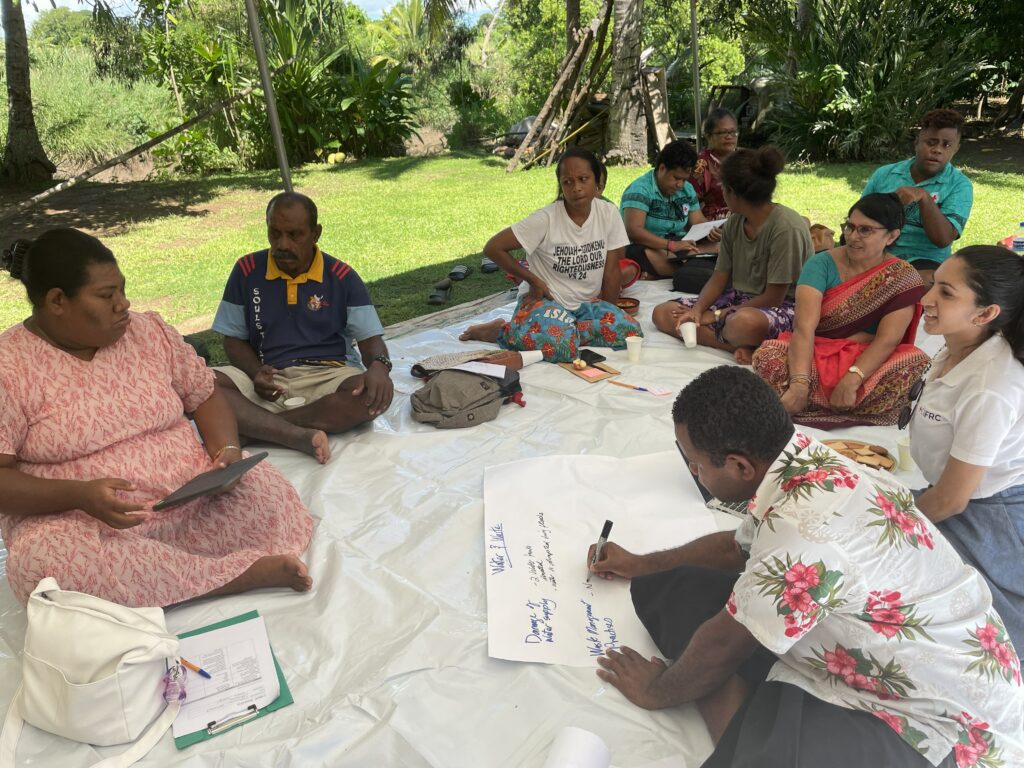
Connecting local experience to national policy
The International Federation of Red Cross and Red Crescent Societies (IFRC) and the Fiji Red Cross Society (Red Cross) have, over a long period of time, developed strong links with both government ministries and communities, making them uniquely placed to bring disparate perspectives together and work towards shared goals.
As part of its work under the Zurich Climate Resilience Alliance programme, the IFRC and Red Cross convened multi-stakeholder discussions, during which policy gaps could be identified. The Red Cross’ work at the community level, especially with more remote populations, was at the forefront, with local experiences always central to the process. This greatly strengthened the ‘last mile’ components of suggested preparedness and response activities, ensuring stronger inclusion in the drafting of the roadmap.
Since the start of the Alliance programme, the Red Cross has used the Climate Measurement for Communities (CRMC) framework to evaluate existing levels of resilience to floods and other climate hazards. While we didn’t yet have full results to share, speaking with communities during the initial stages of the CRMC process had brought up lots of relevant insights from previous hazard events; in other words, plenty of tangible evidence to feed into the creation of the roadmap.
New funding unlocked
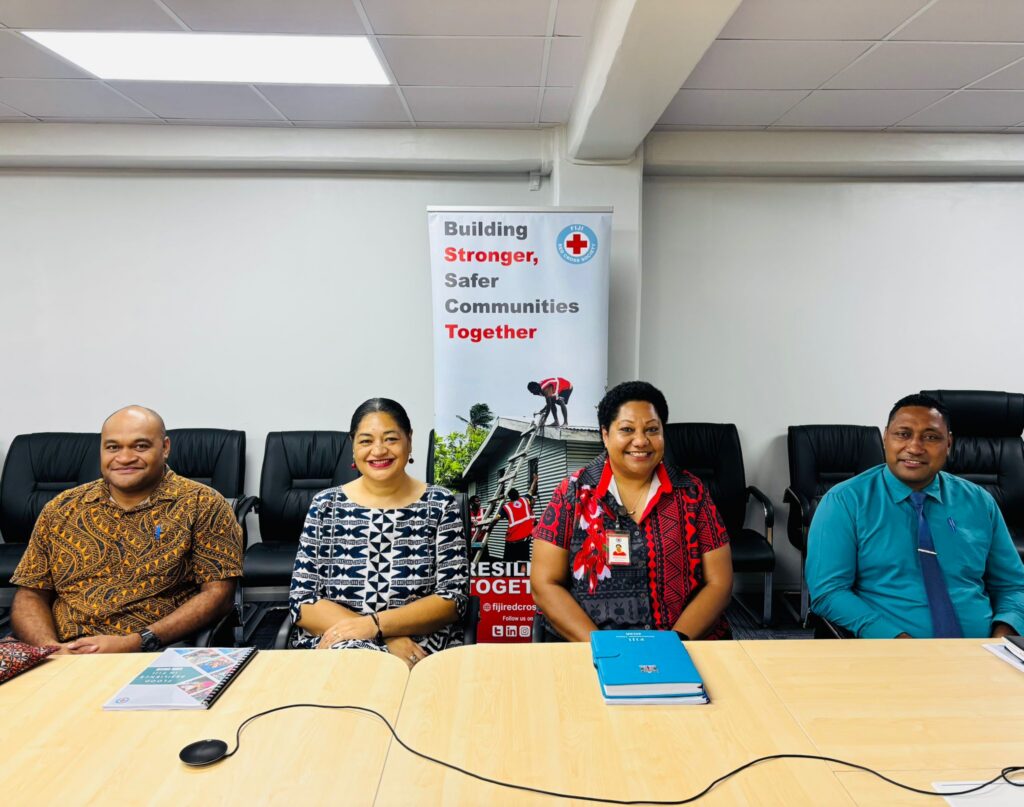
In March 2025, the Green Climate Fund mobilized US$12.9 million to implement the roadmap. This funding, unprecedented in Fiji, marks a major step in strengthening the country’s early warning network. Actions to be funded include the expansion of risk data and knowledge, the modernization of forecasting infrastructure, and improvements to the dissemination of more accessible warning messages, to name just a few.
Crucially, this investment will not be starting from scratch. The Alliance programme in Fiji has generated practical experience in Early Warning Systems (especially in preparedness, community engagement and last-mile delivery), which align closely with the priorities supported through the GCF’s investment, and helped to position IFRC and the Fiji Red Cross Society as key implementing partners for the rollout of the GCF funding in Fiji. Furthermore, the IFRC continues to play a leadership role in the Early Warnings For All initiative, both globally and in the region. This combination of operational experience and technical expertise enables us to engage more effectively in shaping and supporting large scale, multi country financing initiatives, ensuring that global investments are grounded in local realities and deliver impact at the community level.
Lasting impact in Fiji – and beyond
The legislative changes signal strong support – but it’s the subsequent implementation actions that will really make a difference. Hazard events, particularly floods and cyclones, don’t just have a direct physical impact on communities; they frequently lead to secondary crises, including long-term unemployment and prolonged impacts to health and education – all of which make recovery more challenging.
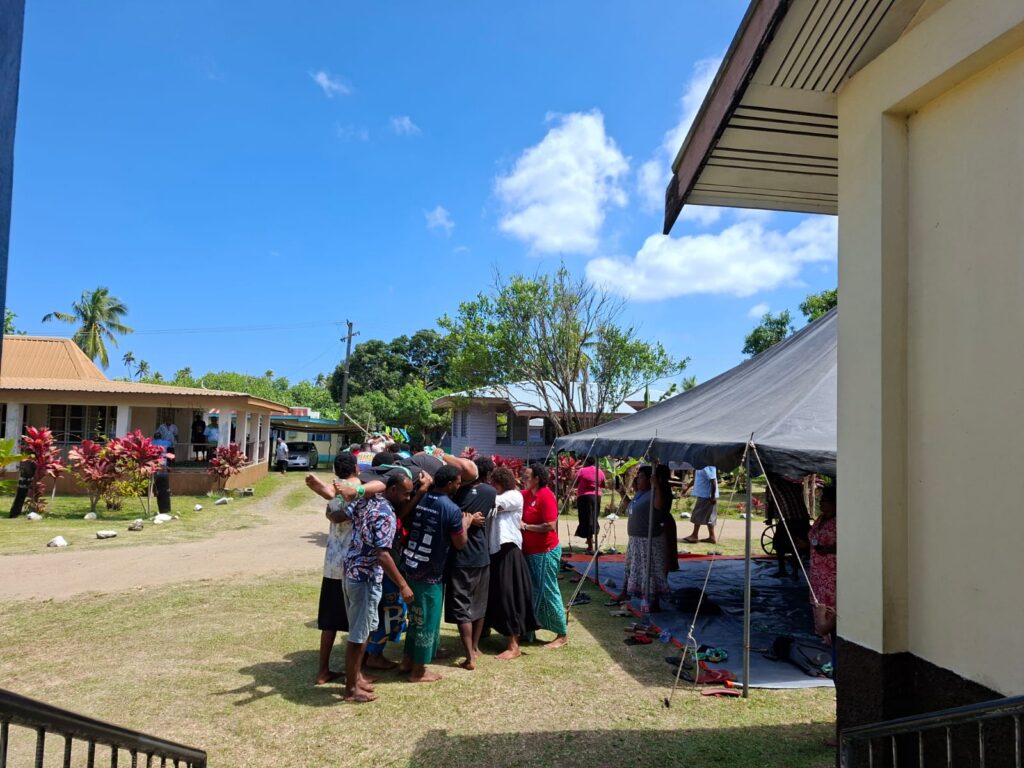
Implementing the Early Warning roadmap will help communities be more prepared, act early and ultimately reduce losses after a flood, cyclone or other hazard event, and provide a platform on which to build resilience over time. That’s something that the IFRC and Fiji Red Cross Society will continue to work towards, both in direct partnership with communities and in the ongoing process to translate the new reforms into lasting improvements to people’s daily lives.
I’m also pleased to see how these developments in Fiji are already inspiring the wider Pacific region. Samoa, the Solomon Islands, Kiribati and Tonga will soon all have their own endorsed roadmaps, following the investment and progress in Fiji. The IFRC will remain highly engaged at the regional and national levels, helping to strengthen policies across Pacific countries and working with multiple partners. Together, we’re creating the conditions for deep, lasting change.
You can learn more about the Alliance’s work in Fiji here. Take a look at our ‘Action to Impact’ digital report to read more impact stories from the Alliance.
Comments