
Driving from Mexicali, in the northwestern state of Baja California, to the Sotavento region on the eastern coast of Veracruz would take about 35 hours nonstop. Though far apart, both states are long, slender regions bordered by the sea. For the Zurich Climate Resilience Alliance program in Mexico, led by the Mexican Red Cross, the most significant commonality lies in their exposure to climate hazards — extreme heat in Mexicali and recurrent flooding in Sotavento, among others. Given the different hazards faced, a one-size-fits-all approach won’t work, however our unique approach to measuring existing levels of community resilience has had a positive impact in both regions.
Over the past few months, the application of a holistic and participatory resilience measurement process guided by the Climate Resilience Measurement for Communities (CRMC) framework, has captured how vulnerable populations are affected by climate events. This includes people’s concerns about flooding scenarios in communities in Veracruz, as well as health implications such as vector-borne diseases associated with heat in Mexicali.
Analysis and communication of this rich data is playing a key role in informing evidence-based programming as well as establishing and strengthening links with stakeholders.
Identifying entry points for strengthening resilience
In recent years, Mexicali has faced record-breaking summer temperatures and increasingly frequent heat waves. In 2024 alone, 47 deaths were reported to be directly related to extreme heat – primarily from heatstroke and heat exhaustion – marking a sharpe rise compared to previous years. This trend underscores extreme heat as a critical public health issue.
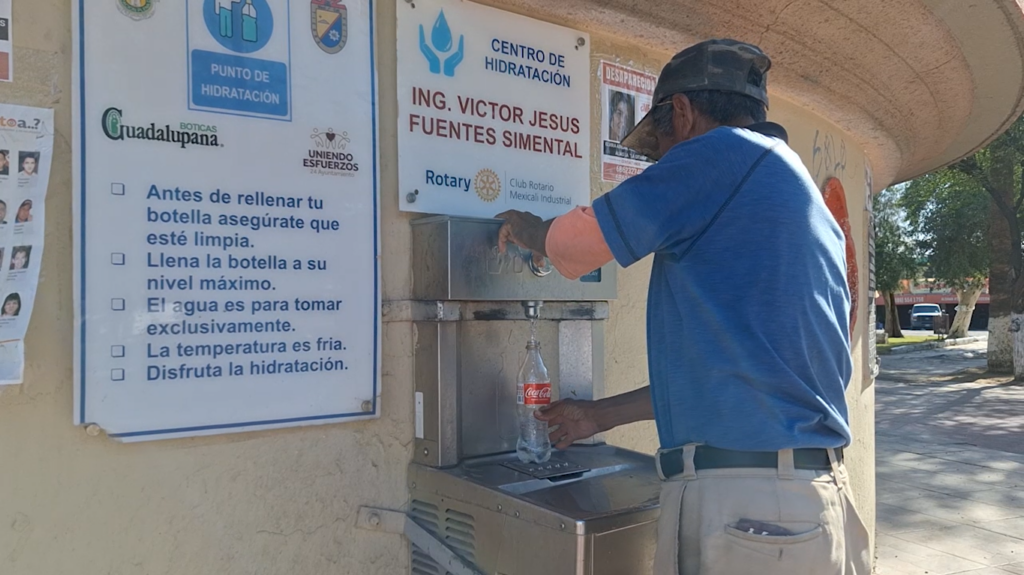
The CRMC provided a deeper understanding of the challenge drawing upon localized, community-based insights as well as consultation of key actors across multiple scales. Families and workers in Mexicali depend on improved infrastructure and protective equipment such as air conditioning, thermally insulated buildings and public cooling centres, not only to safeguard their health but also to sustain livelihoods and economic activity.
However, air conditioning remains far from universally available and marginalized communities often face electricity supply failures, which increases their vulnerability. This highlighted the need to explore alternative cooling solutions that are both affordable and accessible, ensuring protection for those most at risk. Furthermore, the CRMC revealed an important opportunity to challenge the widespread misperception that Nature-based Solutions (NbS) — which protect, manage, and restore ecosystems to address climate challenges — cannot be applied in arid desert environments like Mexicali.
There is no one-size-fits-all approach for increasing climate resilience.
Mexican Red Cross Resilience Program Team
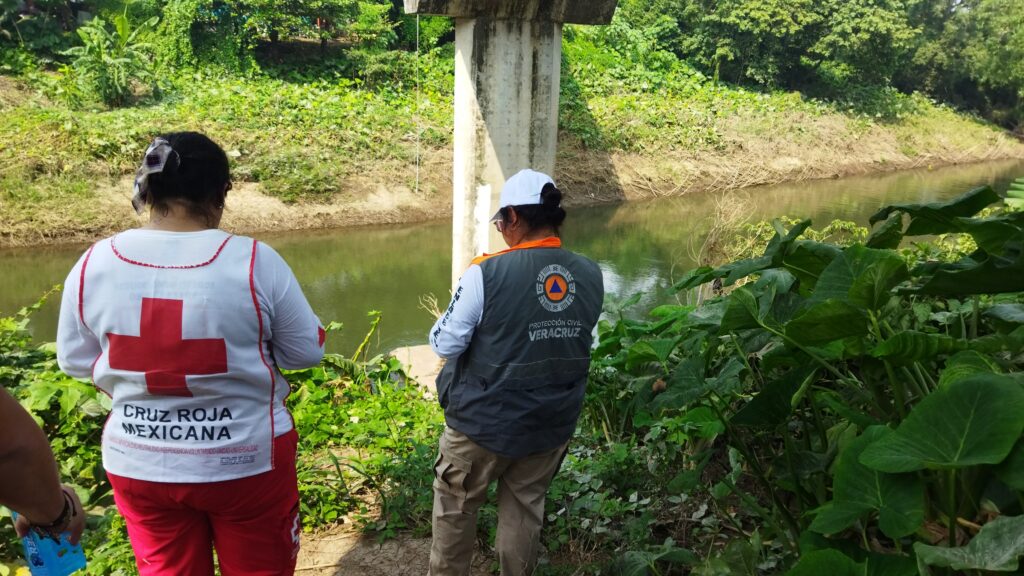
In Veracruz, municipalities in the Sotavento region are regularly impacted by hurricanes and tropical cyclones. These events bring intense rainfall that triggers flooding both across the basin and in low-lying areas. A key resilience strength in the region is the presence of community brigades – local groups trained to lead on disaster preparedness and response. The CRMC analysis identified an opportunity to strengthen these brigades through enhanced training and coordination, while also connecting them to Early Warning Systems (EWS) – which currently have limited reach to the local level – to ensure vulnerable groups receive timely information that can drive life-saving action and reduce losses and damage.
Although each community presents a unique context, CRMC results across multiple communities reveal trends in how floods and extreme heat disrupt social and economic structures.
Mexican Red Cross Resilience Program Team
The localized and up-to-date insights generated by the CRMC process provide a valuable understanding of both gaps and opportunities. Guided by program objectives – integrating climate resilience with disaster risk management, and expanding flood and heat EWS access for vulnerable populations – the Mexican Red Cross leverages these findings to design and implement resilience actions that address real needs while building on existing strengths.
These findings highlight the value of a systems approach – leading context-specific resilience actions while also influencing sectorial or regional actors to address shared challenges.
Taking a collaborative approach
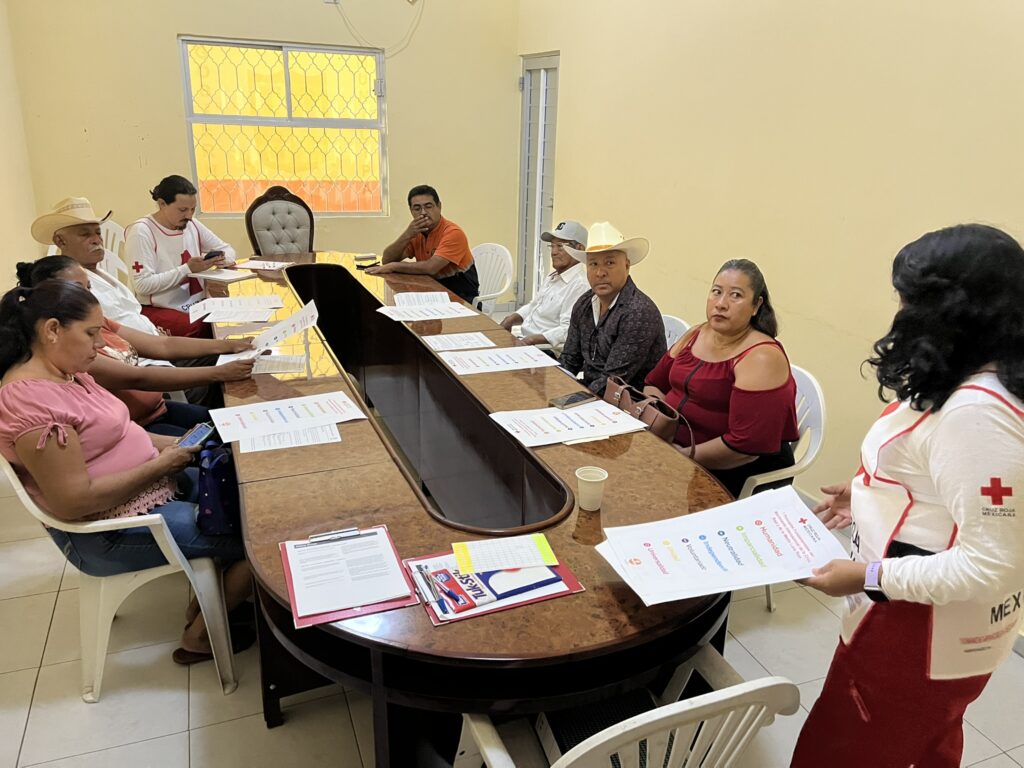
For this CRMC implementation, the Mexican Red Cross adopted a new data collection approach tailored to urban settings and designed to safeguard staff and volunteers in complex contexts. In lieu of surveying house-to-house, resilience fairs were held in Mexicali and Veracruz, which brought together community members to participate in the CRMC process and engage in interactive risk awareness activities
At the same time, data was gathered through focus groups and interviews with key stakeholders, including community leaders and government authorities across different levels of civil protection. This early engagement permitted the involvement of critical actors and potential partners from the outset, fostering trust and credibility. CRMC was leveraged as a platform for stakeholder outreach, ensuring strong and diverse engagement. Today, this engagement continues as the Mexican Red Cross communicates key CRMC results with stakeholders and communities to strengthen shared responsibility, empower local actors to lead resilience efforts, and ensure actions are truly owned by those most affected.
From understanding resilience to taking action
Mexicali and Veracruz (Sotavento) differ greatly in geography, hazards, vulnerabilities, and capacities. Mexicali, an urban hub on the northern border, thrives on agriculture, industry, and services but faces extreme heat, scarce rainfall, and limited cooling options. In contrast, peri-urban and rural communities in the Sotavento region rely on agriculture, with abundant rainfall and river systems and regular exposure to flooding and tropical cyclones. Rather than applying a uniform model, the CRMC’s adaptable framework allows for context-specific insights into climate resilience. By linking local insights with regional action, the Mexican Red Cross and its partners are not only addressing the immediate risks of extreme heat and floods but also shaping systemic solutions for Mexico’s future.
Learn more about the Alliance program in Mexico here.
Comments