
Senegal


Our impact so far
Flooding is a recurrent and escalating issue in Senegal, significantly affecting urban and rural communities, particularly during the rainy season. The increasing frequency and severity of these floods are attributed to a combination of climatic, environmental, and infrastructural factors. High temperatures exceeding 35°C are now more common, with forecasts predicting an additional 31 extremely hot days per year by 2030. This phenomenon is particularly severe in urban areas, where uncontrolled urbanization leads to heat accumulation, an effect further amplified by the lack of green spaces and the extensive use of impermeable materials.
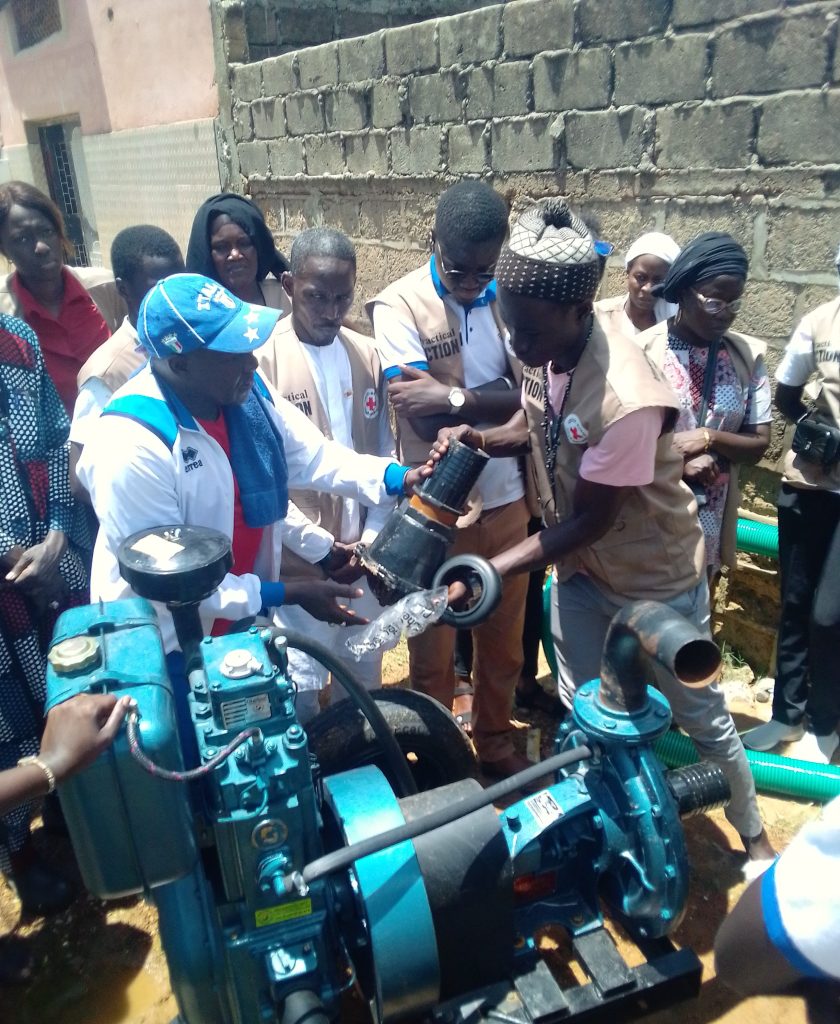
Using the Climate Resilience Measurement for Communities (CRMC) tool, Practical Action is working to undertake holistic resilience assessments at community level. To strengthen the flood resilience of communities in Thiès Nord, Practical Action has equipped all four intervention zones with motor-driven pumps and resilience kits to enable them to react quickly in the event of flooding. In collaboration with the Senegalese Red Cross, Practical Action has trained 60 volunteers on the importance of climate information for flood prevention and set up an Early Warning Systems (EWS) team in each neighbourhood to disseminate information.
Testimonial
Aliou's story
Country Partners
Programme highlights
Resources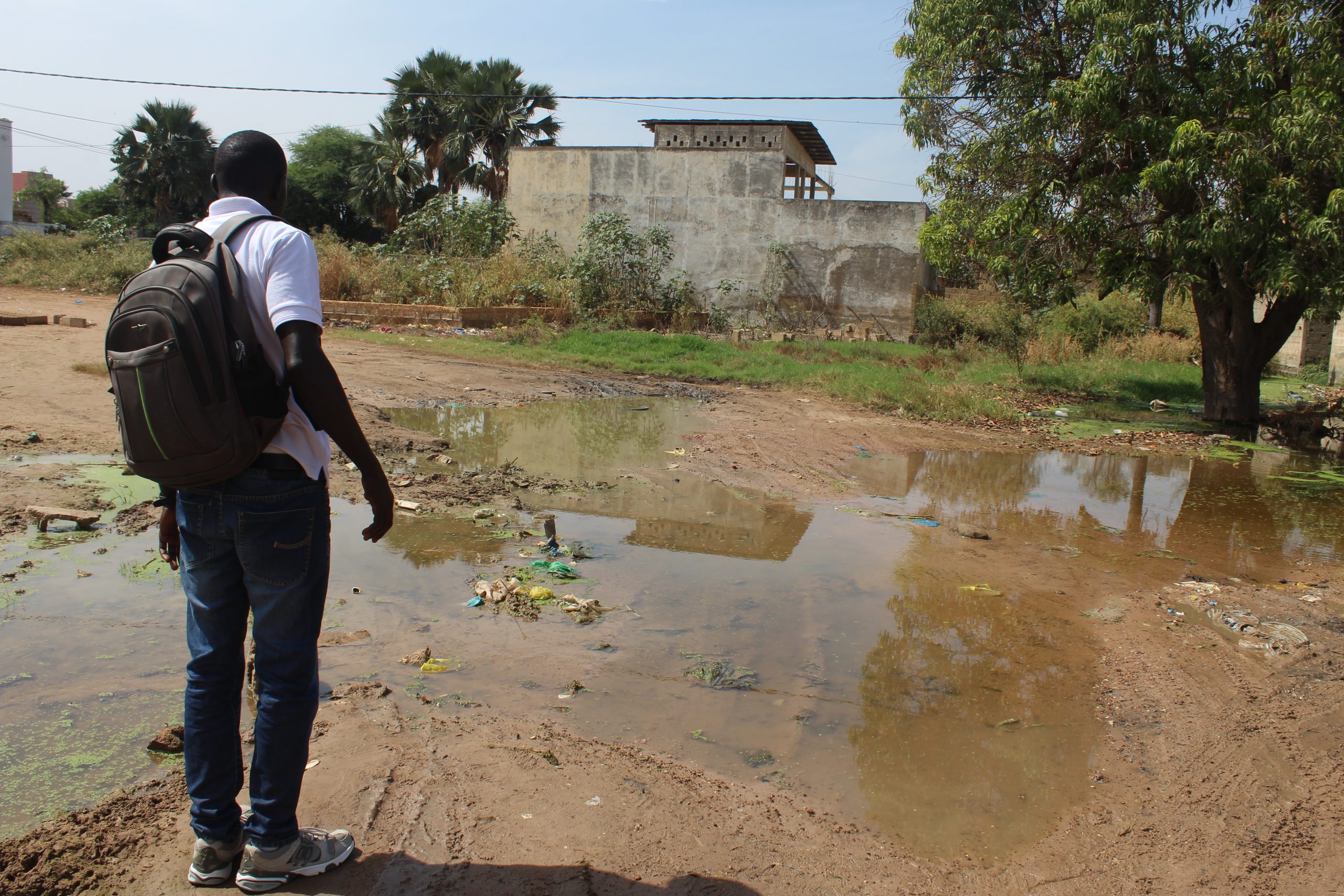
Improving community flood resilience, safety and health
Blog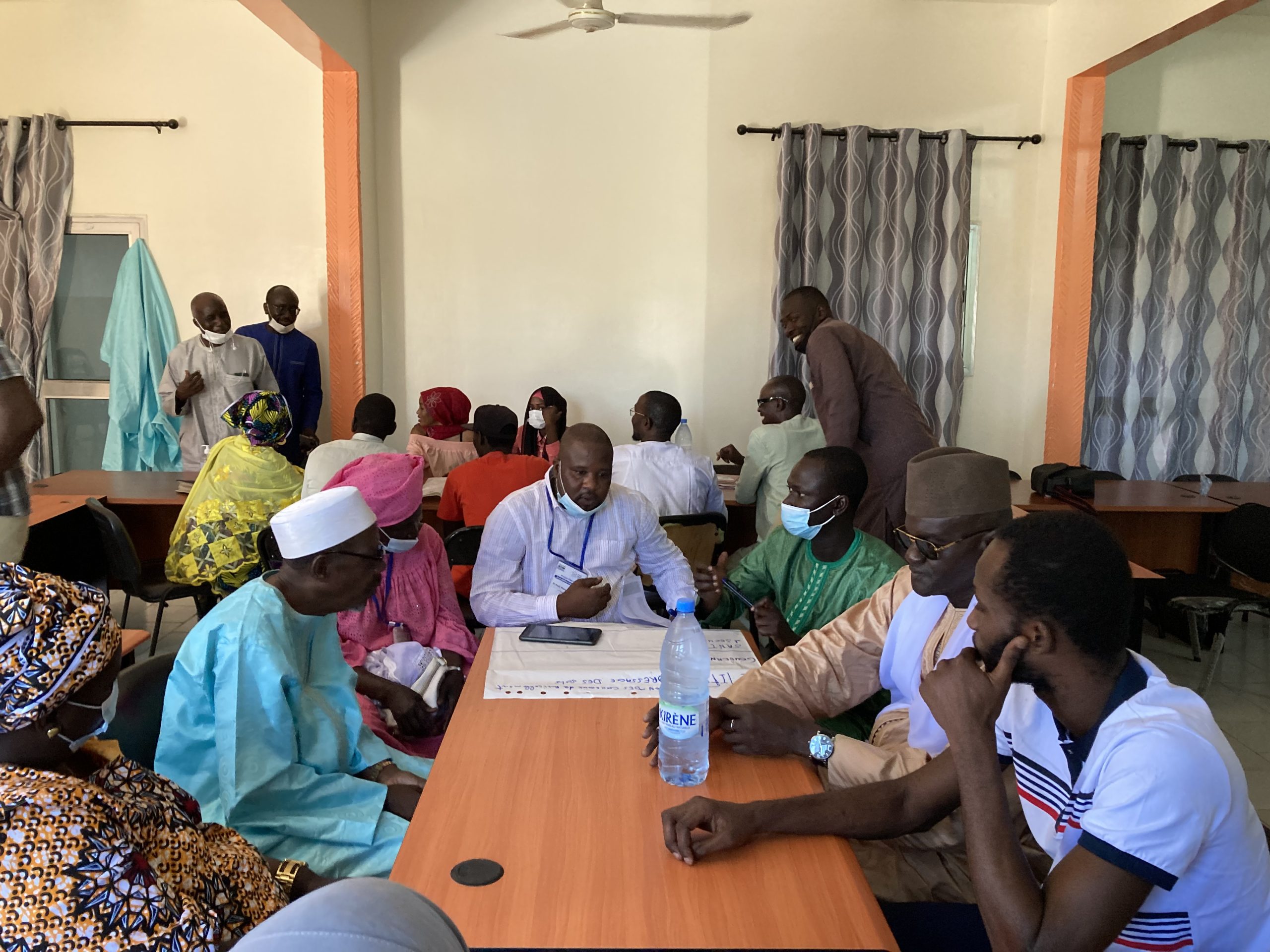
Measuring and enhancing flood resilience in Senegal
Resource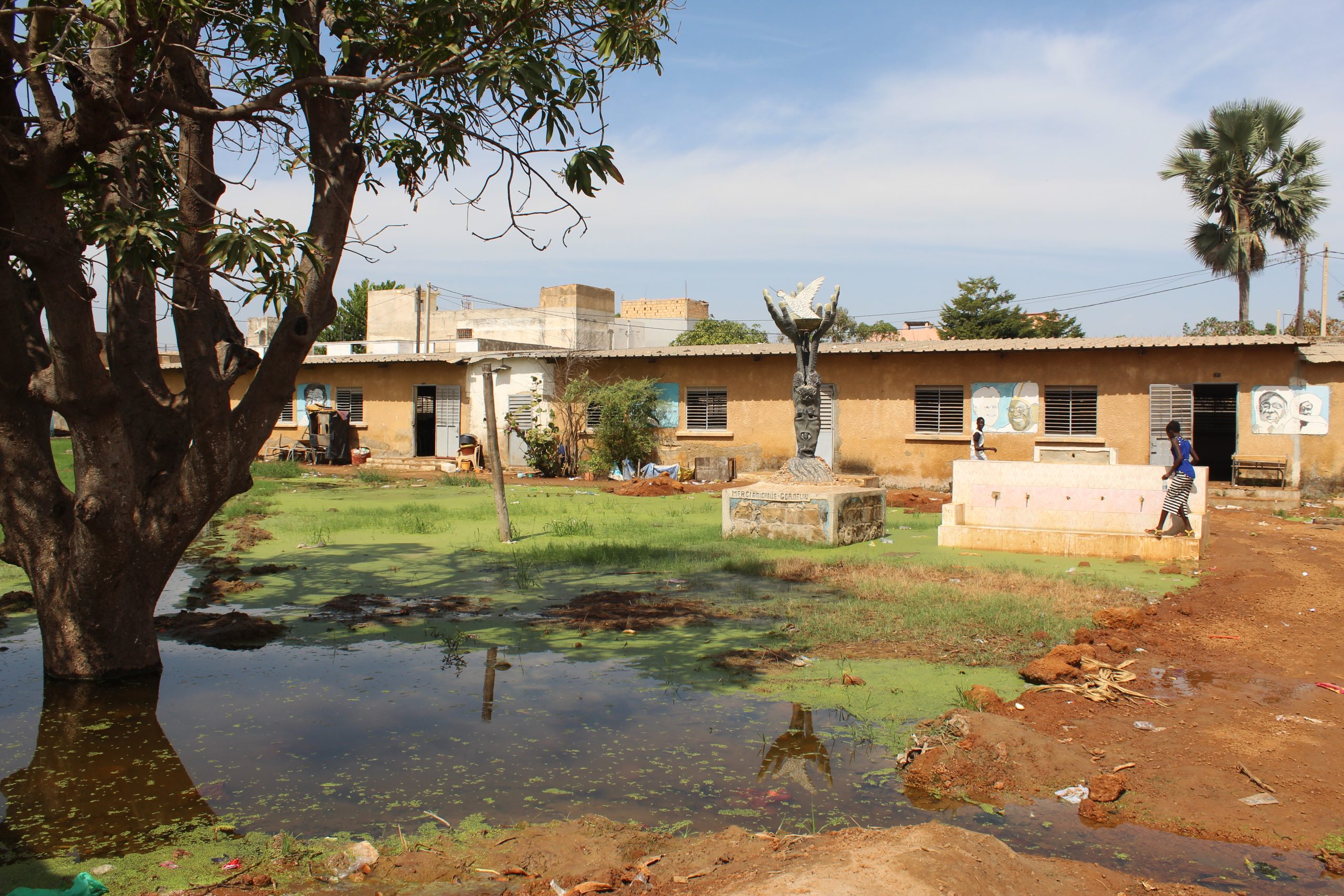
Learning from the 2020 floods in Thiès : Strengthening urban planning to reduce flood risks
The future
Practical Action Senegal will work to achieve the following outcomes:
- Establishment of effective and inclusive community-based EWS.
- Improving Disaster Risk Reduction planning.
- Improve local government access to decentralised climate funds to enable them to implement their local disaster risk reduction plans.
- Integrate Nature-based Solutions into development planning to strengthen the resilience of urban communities affected by floods and heatwaves in West Africa.
- Improve the living conditions of urban communities exposed to the effects of poor urban planning exacerbated by climate change.