
In 2025, local governments in Bangladesh made a distinctive shift from reactive disaster relief to proactive resilience-building, with Disaster Risk Management (DRM) now firmly embedded in budgets, plans and community practice. In the latest in our ‘Action to Impact’ series, Concern Worldwide’s Mohammed Nabinur Rahman tells us what has happened, and how it came to pass.
In my four years working as part of the Zurich Climate Resilience Alliance project, I’ve learned that significant change comes about not via one pivotal moment, but through a combination of factors; from the allocation of budgets to the adoption of better and more inclusive practices. In Bangladesh, that is adding up to a vastly different and improved approach to managing the risks posed by floods, heatwaves and other climate hazards.
Local governments taking proactive measures
In 2025, ten Union Parishads (local government institutions in rural areas) established dedicated budgets for DRM, with a 17% increase in funding for preparedness activities. The Parishads have now taken ownership of financing resilience to climate hazards, making it a standing agenda item at meetings.
We facilitated this change from externally-driven relief funding to locally-managed resources by working closely with community members and officials to build understanding of preparedness and the need for dedicated budgets. Not only does it ensure that communities have predictable and accessible funding, it also strengthens their ability to plan and act proactively before disasters occur.
Stronger community action
Over 1,500 households across two Upazilas (administrative regions) in northern Bangladesh have independently mobilized government and local resources to implement several nature-based approaches to building flood resilience, including planting trees that stabilize soil against erosion. During the monsoon season, these areas avoided the losses of houses, crops, farmland, and infrastructure that had previously occurred during floods. Assisted by Concern in the identification of suitable tree species and connections with technical experts, communities are now taking charge of resilience-building efforts as part of a move towards sustainable, self-driven climate adaptation.
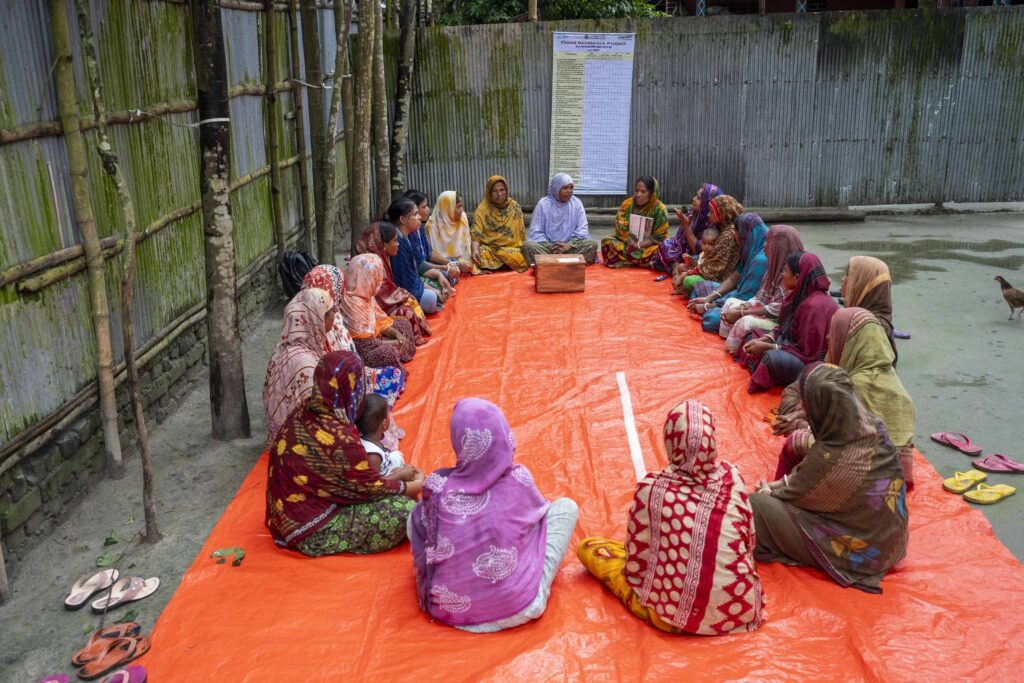
Meanwhile, over 150 Resilience Self-Help Groups (RSHG) established and trained by Concern have evolved into platforms for action and the mobilization of collective savings. The self-reliance and economic independence fostered via this initiative has had knock-on effects; many women assumed leadership roles within their groups, and gained greater influence in household financial decisions, which contributed to reduced domestic tensions. Women and young people now also have greater participation in the community decision-making process, increasing transparency and ensuring investments better reflect local priorities.
Trust and engagement at all levels facilitates change
A key reason why Concern was effective in influencing this change was our many existing relationships, built over time and at all levels of decision-making. This was true especially during periods of political upheaval in 2024, which made it challenging to move forward with our plans to influence national ministries, due to the interim government’s other priorities.
We were able to overcome this obstacle thanks in part to our strong existing links with second-tier government officials. We also actively engaged with civil society and other national and regional platforms to influence the formulation and execution of government policy.
Similarly at the community level, Concern has developed a good reputation through long-term engagement and cooperation. We also work with trusted local partners that are strongly represented in the community.
Stronger systems, stronger futures
Where we work in Bangladesh, the context is very challenging, but I feel that this project has been very effective in building resilience and reducing losses and damages. The combination of the interventions has delivered significant, systemic change to how climate-affected communities in Bangladesh are protecting lives and livelihoods. I have witnessed how amplifying the voices of those most affected has made a direct contribution to local and national level policy on climate adaptation.
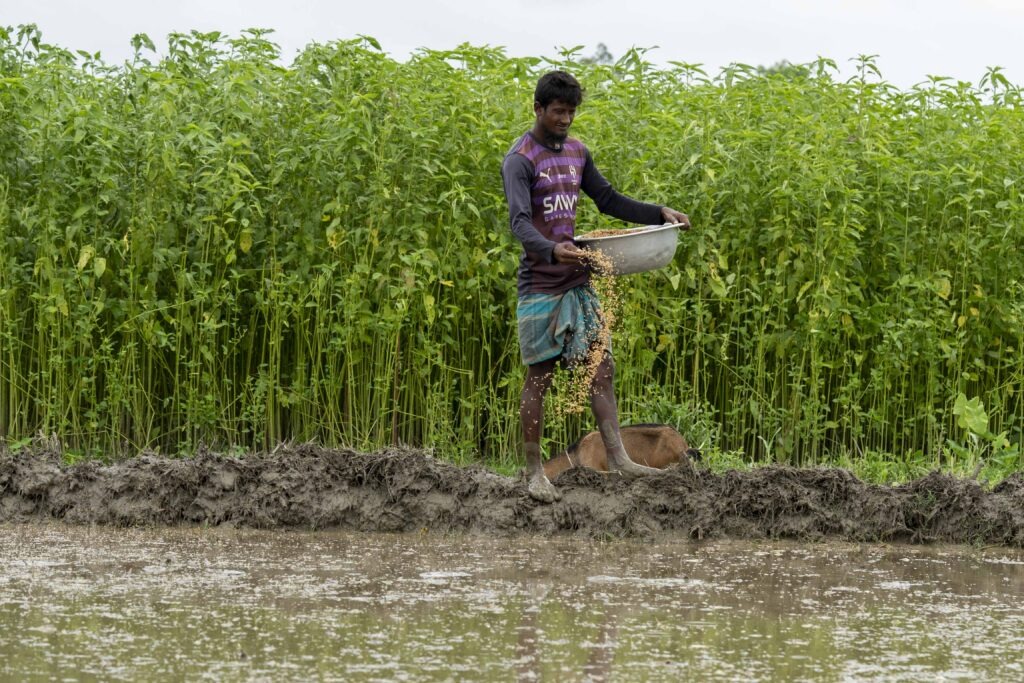
The changes we are seeing – from tree plantation and road repair before monsoon season, to the establishment of savings groups – will have a positive impact on the people, both directly and indirectly. “This change is not just about money”, said the chair of one Union Parishad, referring to their new standing budget for DRM. “It’s about changing our mindset. We are no longer waiting for help; we are preparing to protect our people.”
You can learn more about the Alliance’s work in Bangladesh here. Take a look at our ‘Action to Impact’ digital report to read more impact stories from the Alliance.
Comments