

Action to impact: the Zurich Climate Resilience Alliance in 2025
From floods in Malawi to wildfires in Bolivia, communities are rising to the challenge posed by climate hazards – and the Zurich Climate Resilience Alliance is partnering with them to achieve lasting change.
Powered by the Z Zurich Foundation, and building on a foundation of long-term, evidence-informed programming going back to 2013, the Alliance combines research and interventions at the local level with advocating for improvements to policy and finance. This approach is ensuring that communities across the world are better able to protect lives and livelihoods.
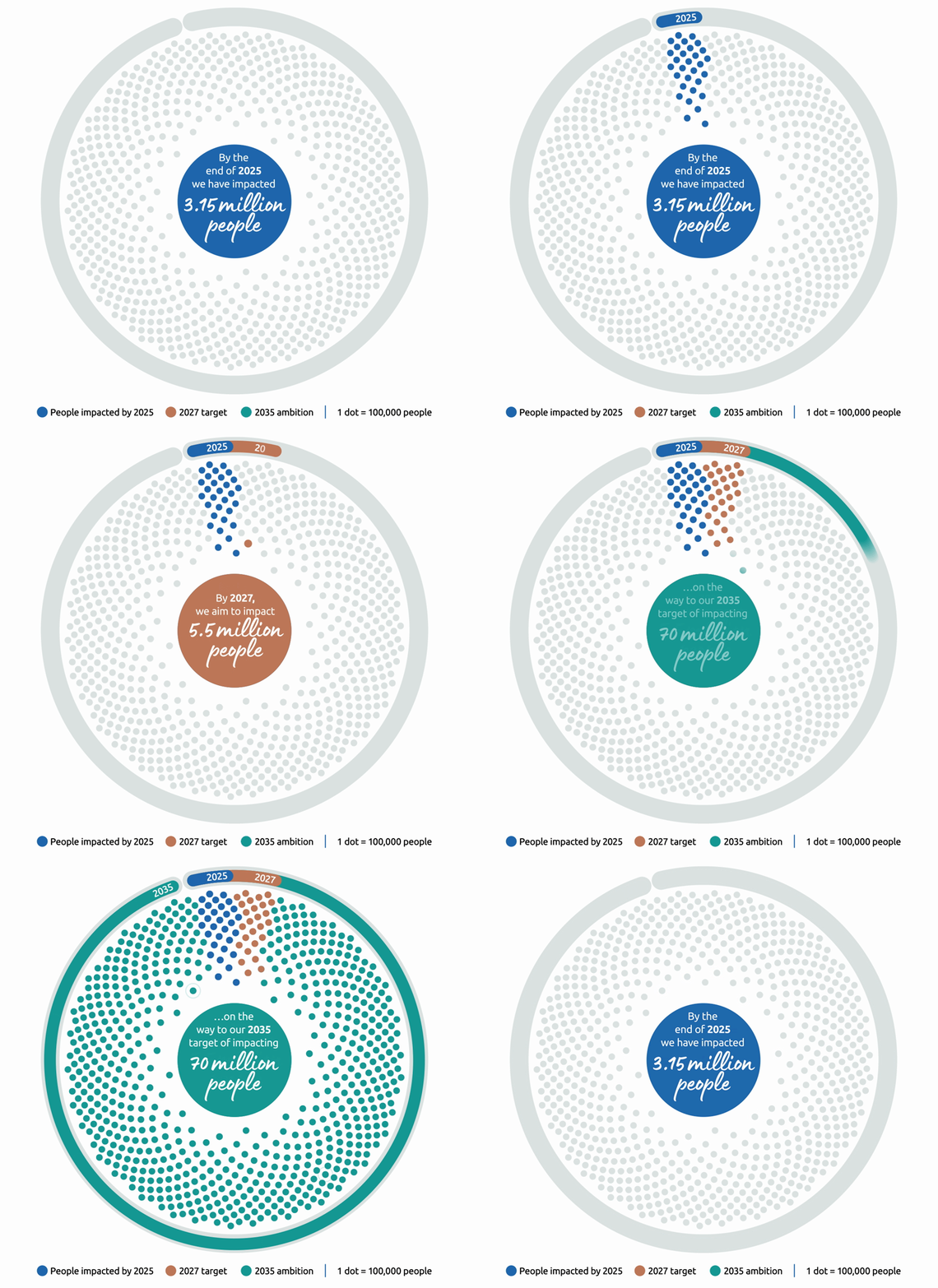
People impacted
In the first two years of our programme, the Alliance cumulatively impacted 4.35 million people, 79% of our 2027 target. In 2025, we reported new impact of 3.15 million people through community programming, and influencing government policies, coordination, and decision-making. We aim to impact 70 million people by 2035.
Impact stories
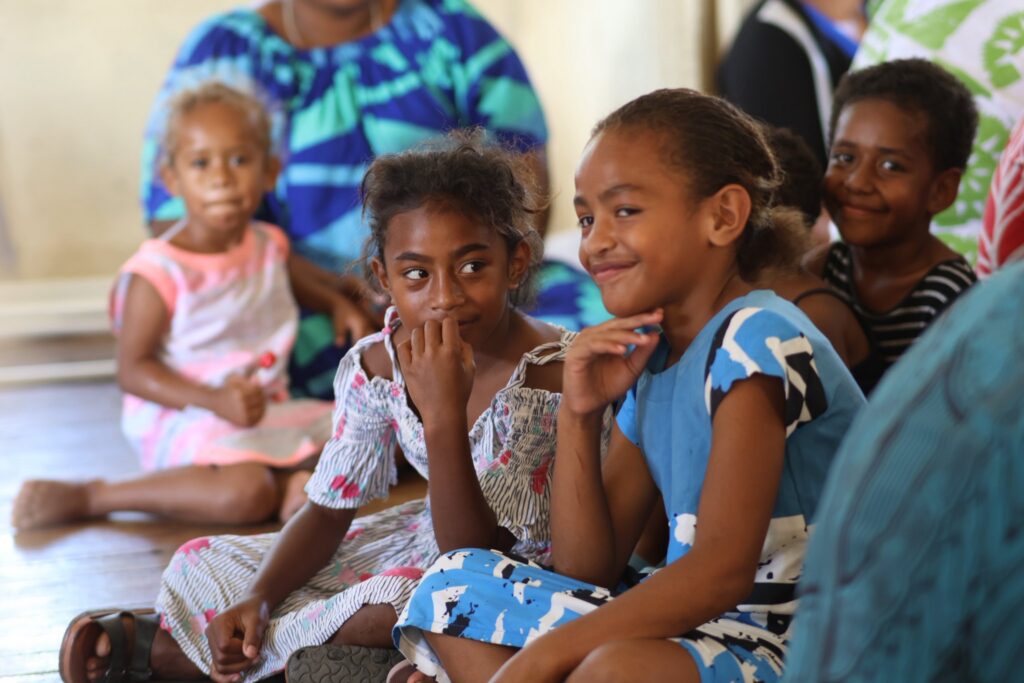
Fiji»
950,000 people impacted
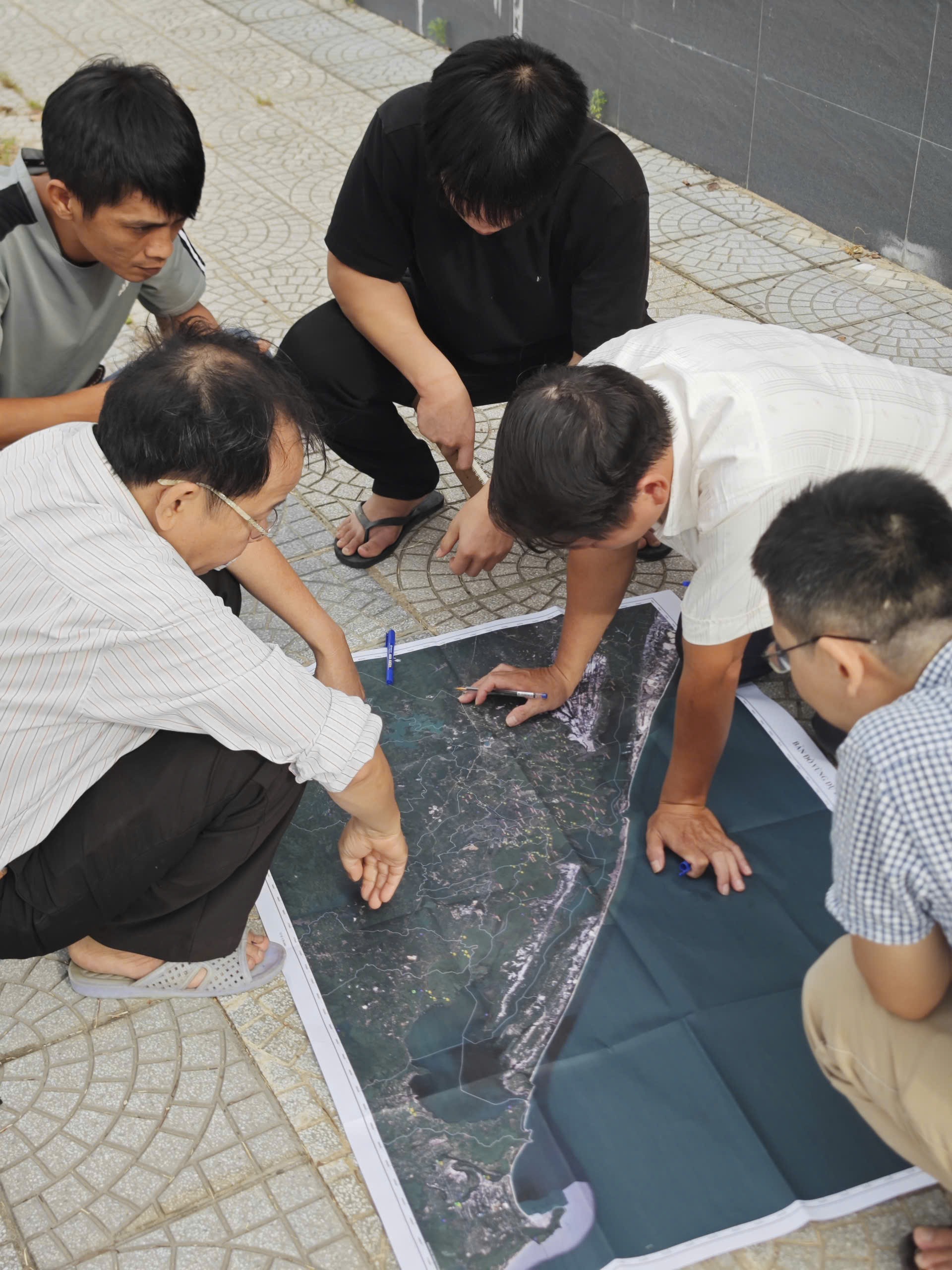
Vietnam »
307,266 people impacted
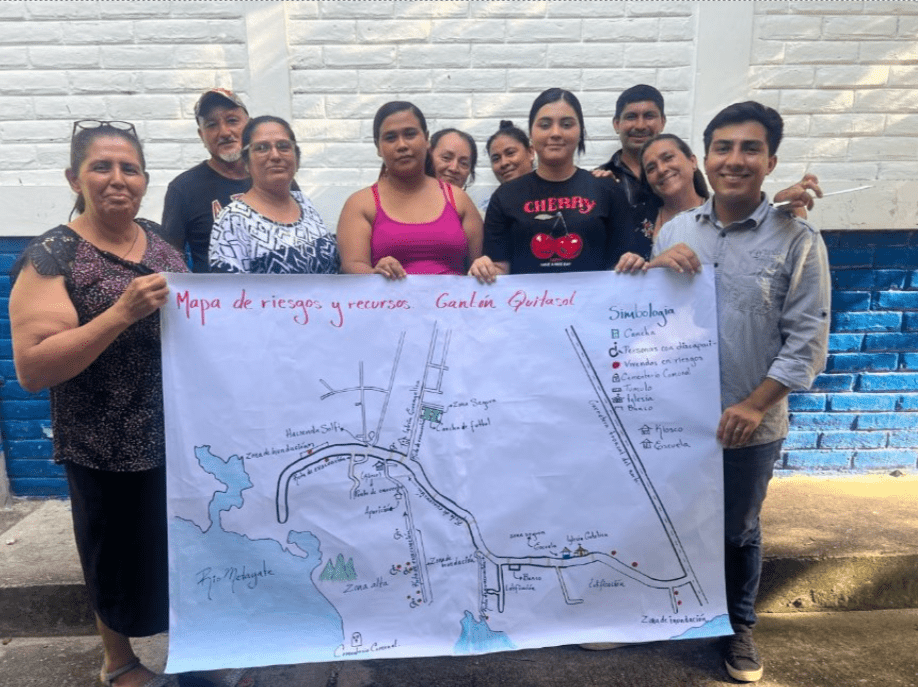
El Salvador »
922,039 people impacted
Systems change, scaling, and
sustainability
To maximize the breadth and depth of our actions and to ensure lasting impact, the Alliance designs programmes to be sustainable, to scale, and to effect systems change. We track change in each of these elements using our purpose-built, state-of-the-art monitoring system.
In 2025, the Alliance delivered impactful sustainability, scaling, and systems change wins through influencing policies, spending, practice, and social norms. Local governments, communities, international NGOs, and donors have scaled and replicated our interventions, approaches, and tools. Many of these changes are locally owned and have strong government support in the form of integration into plans and policies. These changes are sustainable and incremental, and indicate systemic shifts towards broader, long-term systems change.
Achieving systems change in Bangladesh
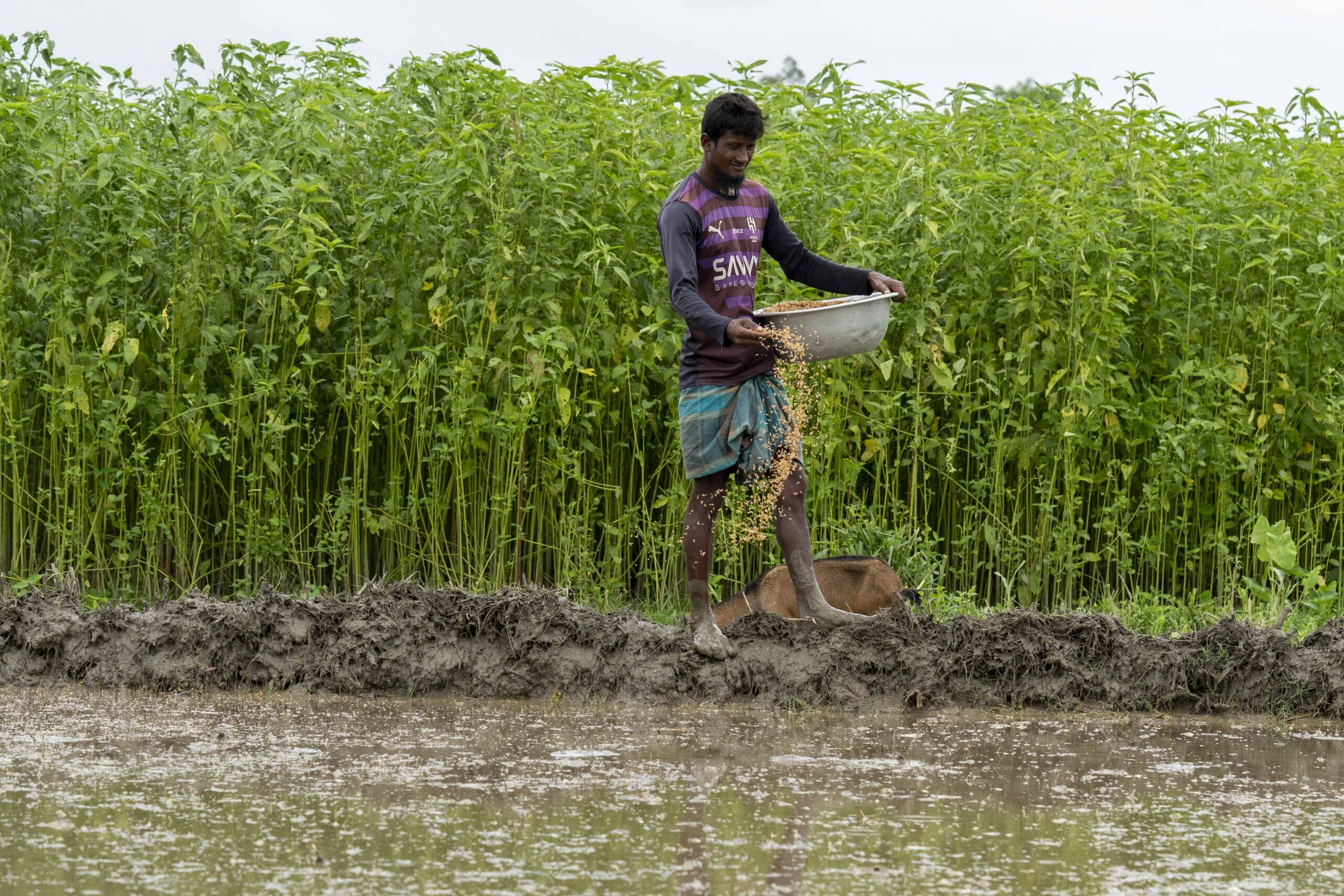
Local governments have made a distinctive shift from reactive disaster relief to proactive resilience-building, with Disaster Risk Management (DRM) now firmly embedded in budgets, plans and community practice. Concern Worldwide catalyzed this systems change by helping local authorities create dedicated DRM budget allocations, supporting communities to mobilize these resources, and establishing local groups that emphasize self-reliance and economic independence.
Scaling impact in Nepal
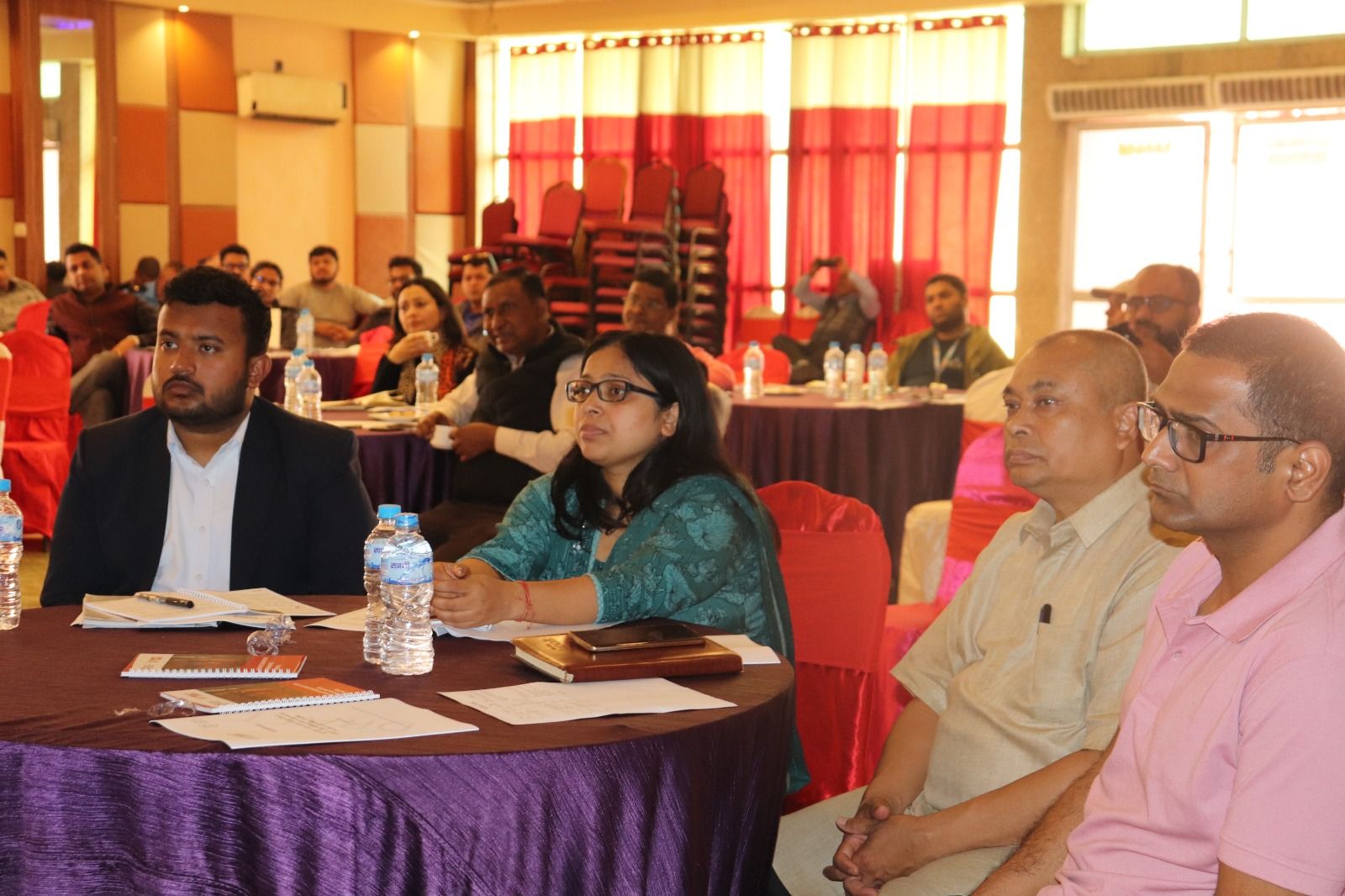
Municipal and provincial government in Madhesh, made a firm commitment to spend 5% of their budgets on Disaster Risk Reduction activities. Influenced by Mercy Corps’ approach to budget analysis, this proactive move provides communities with predictable funding sources for strengthening their resilience. Oxfam has now adopted Mercy Corps’ budget influence model to scale to other regions in Nepal.
Sustainable solutions in Bolivia
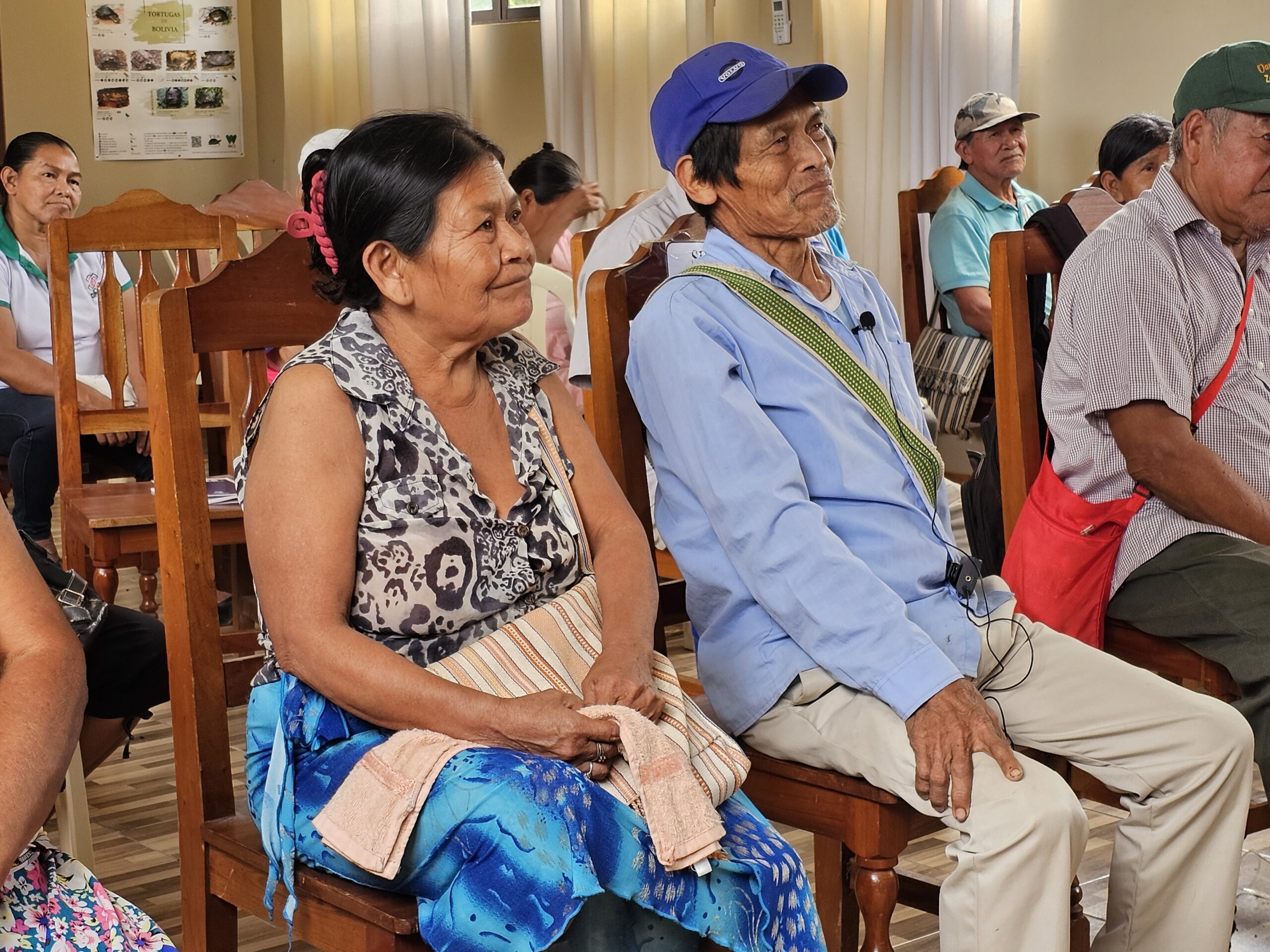
Practical Action helped deliver sustained improvements to the resilience of communities in the Tacana indigenous territory by supporting the creation of dedicated Disaster Risk Management roles in the local indigenous council. This change in governance complements community-level action – including women’s knowledge sharing groups, and brigades of trained flood & wildfire responders – to ensure that disaster risk is continuously managed, resourced, and locally-owned.
Insights from 2025
Alliance teams have achieved sustainability, scaling, and systems change successes only two years into the Phase III (2024–2027) programme. Looking at how teams achieved these changes gives insights into good practices for resilience programmes aiming to achieve both breadth and depth of change.
These insights have been generated via our complexity-aware monitoring system that tracks both Key Performance Indicators (KPIs) and narrative data to understand how individual shifts add up to a sum greater than its parts.
Sustainability »
Scaling »
Systems change »
Early Warning Systems
A people-centred approach to Early Warning Systems (EWS) holds the key to protecting communities and ensuring a safer future for all. Building on more than a decade of experience, in 2025 the Alliance made several significant contributions to the advancement of EWS worldwide.
Elements of effective EWS
Using examples from across the Alliance, we demonstrated how EWS can be applied in different ways to suit the context.
New policy-focused research
Working with the Risk-informed Early Action Partnership (REAP), we co-developed a study and policy brief examining the financing of people-centred EWS.
Resilience solutions
From localised voice messages to river monitoring, we added several EWS-related examples to our catalogue of climate solutions.
Resource directory
We launched a collaborative space dedicated to sharing knowledge, tools, and best practices for EWS.
Knowledge sharing
Our many different stakeholders and audiences need different kinds of knowledge and evidence, and they need to access it in different ways.
Double jeopardy: Addressing compound flood and heatwave events »
A fair share of climate finance? Assessing quantity, quality and alignment with gender goals »
Adaptation finance and the private sector: opportunities and challenges for developing countries »
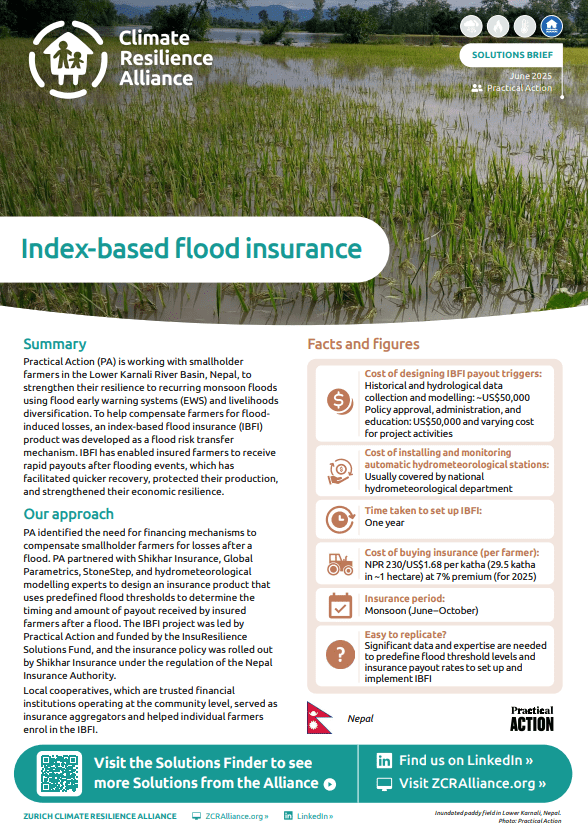
Index-based flood insurance – Solutions brief »
The Climate Resilience Measurement for Communities (CRMC) »
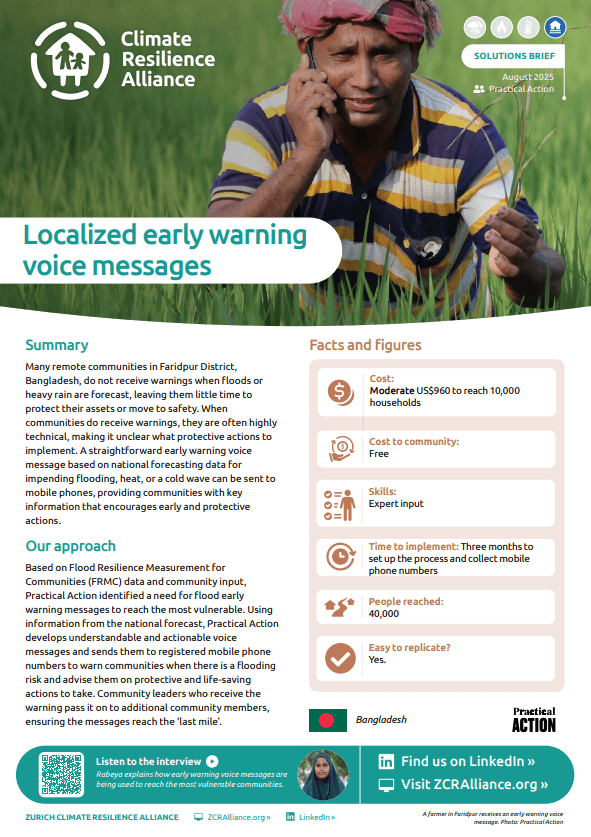
Localized early warning voice messages – Solutions brief »
For more Alliance resources browse our extensive resource library »