
At the Bonn Climate Conference – an important milestone on the road to COP31 – negotiators struggled to make progress on key questions concerning adaptation finance, while getting funds to local institutions and communities is needed more than ever. New insights from the Zurich Climate Resilience Alliance highlight practical pathways for strengthening locally led adaptation finance and turning global commitments into local action.
Adaptation finance remains a sticking point
With floods, heatwaves, wildfires and other climate hazards becoming increasingly severe, and another El Niño event looming on the horizon, communities around the world need support to prepare for and respond to a changing climate.
The past decade has seen significant progress on adaptation planning. An increasing number of countries have developed National Adaptation Plans (NAPs), awareness of adaptation needs has increased, and governments increasingly recognize adaptation as a development priority. Yet turning these plans into action remains a major challenge. Too often, the resources needed to implement adaptation simply do not materialize, with the latest figures showing a decline in the amount of international adaptation finance in recent years.
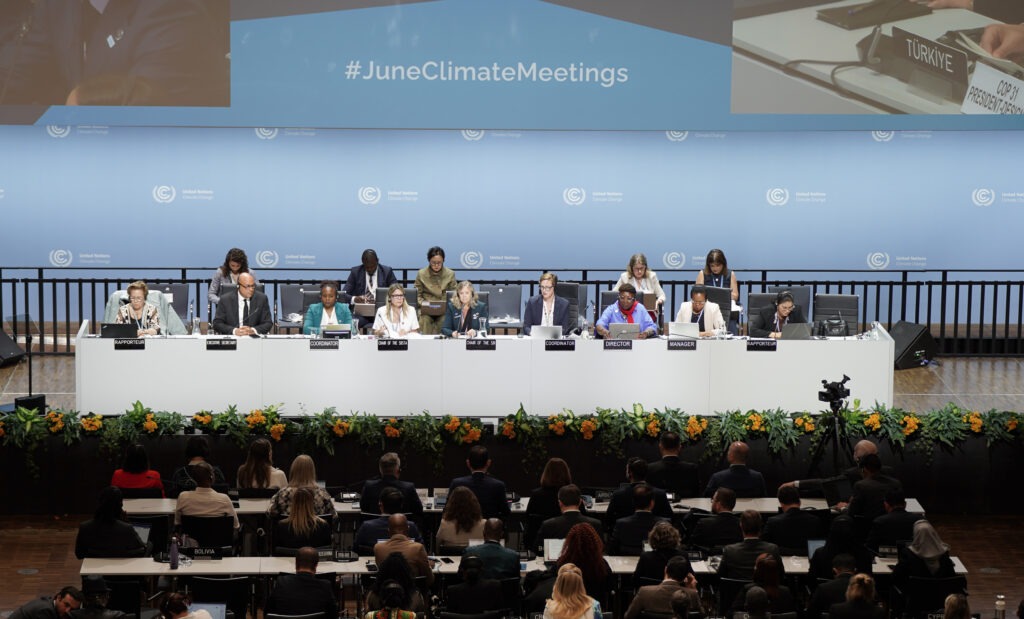
This challenge was reflected across multiple negotiation tracks at the Bonn Climate Conference (SB64, 8–18 June). Many developing countries arrived hoping to secure a strong reaffirmation of the commitment to triple adaptation finance, agreed at COP30. For climate-vulnerable countries, this finance is essential to protect lives, livelihoods and economies from growing climate risks. Reaffirming this goal would signal continued commitment by developed countries to scale up adaptation finance . Yet despite lengthy discussions, negotiators were unable to reach agreement, leaving the issue to be revisited at COP31 in Türkiye.
Discussions on the future of the Adaptation Fund, which plays a critical role by providing grant-based support and enabling direct access to finance, also remained unresolved. The lack of progress on both issues means that important questions about the scale and delivery of adaptation finance remain unanswered as countries look ahead to COP31.
Private finance still no silver bullet for adaptation
Adaptation also featured in broader climate finance discussions, with considerable attention given to mobilizing private investment. However, its role in adaptation remains limited. Private capital can help strengthen resilience in some contexts, but adaptation efforts – particularly in Least Developed Countries (LDCs) and Small Island Developing States (SIDS) – continue to depend overwhelmingly on public finance.
Together, these discussions highlighted a growing disconnect between the scale of adaptation needs and the pace of international progress. As climate impacts continue to intensify, the question is no longer whether adaptation finance is needed, but whether it is mobilised with the speed, scale, and quality required.
Why local access to adaptation finance matters
Across negotiation rooms, the topic of access to finance emerged repeatedly. Even when climate finance is available, many developing countries struggle to obtain it. Lengthy procedures, complex requirements and limited institutional capacity can all create barriers to getting finance where it is needed. Various negotiations explicitly discussed access to finance, and the Australian COP Presidency has identified the issue as a priority.
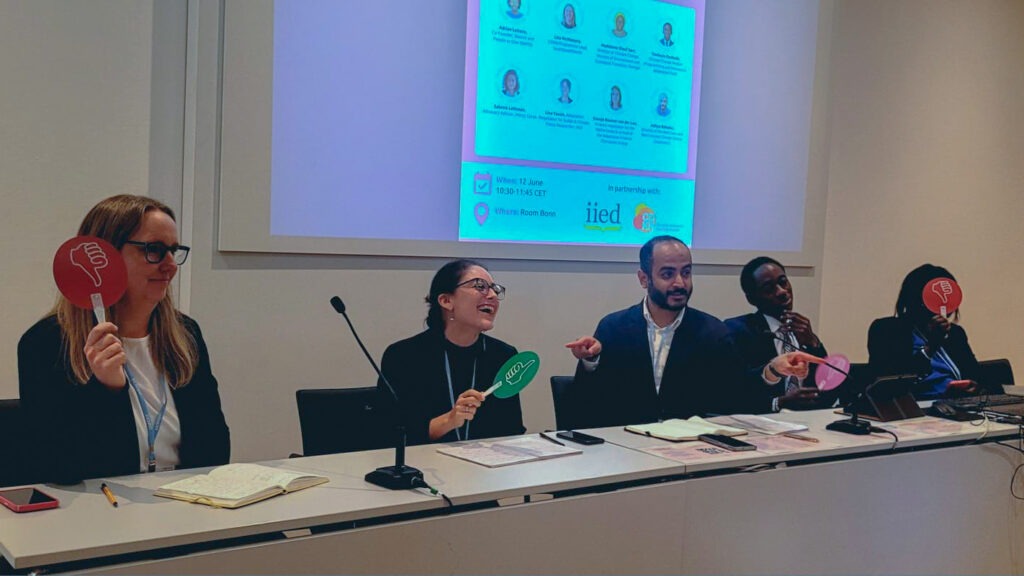
However, access to finance should not be viewed only through a national lens. Climate resilience is built locally; local governments and community-based organizations are often best placed to understand climate risks and identify effective solutions. Yet they frequently struggle to access the resources needed to act. The Alliance side event, organized together with IIED and SouthSouthNorth, echoed this message. It highlighted the importance of putting communities at the centre of adaptation decision-making and addressing barriers that prevent locally led adaptation from being scaled effectively.
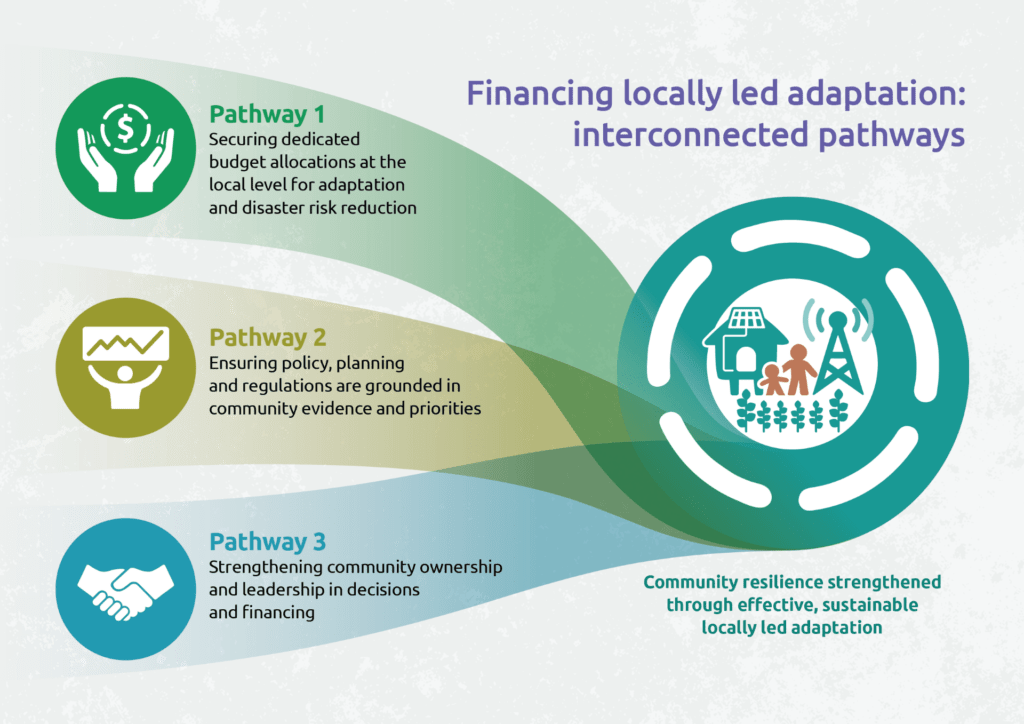
Local access also sits at the heart of a new report published by the Alliance. Drawing on experiences from Bangladesh, Bolivia, Indonesia, Jordan, Kenya, Malawi, Nepal, Nigeria, the Philippines and Vietnam, the report explores how locally led adaptation can be embedded within planning and public finance systems.
Across these diverse contexts, three common pathways emerged:
Importantly, participation must include those who are often excluded from decision-making processes. Women, children, Indigenous Peoples, people with disabilities and other marginalized groups frequently face some of the greatest climate risks while having the least influence over how resources are spent. This is especially important for girls, who are often among those most affected by climate impacts but least able to influence how adaptation finance is designed, delivered and measured.
Looking ahead
The Bonn negotiations demonstrated that adaptation finance remains one of the defining issues on the road to COP31. Discussions on the provision of finance, tripling adaptation finance, the future of the Adaptation Fund and improving access, transparency, and accountability of finance will all continue in the months ahead.
But one message is becoming increasingly clear: success will not be measured solely by how much adaptation finance is mobilized. It will be measured by whether that finance reaches local institutions and communities, and whether it enables locally led, inclusive adaptation.
To learn more about how local adaptation finance can be strengthened in practice, read Pathways to locally led adaptation, the new report from the Zurich Climate Resilience Alliance’s new report.
Comments