
The 2025 storm season in Vietnam was particularly severe, leading to historic flooding and setting multiple new records. Post-event reviews of the storms and floods, conducted by ISET-International Vietnam and Plan International Vietnam with support from the Swiss Development Corporation and the Z Zurich Foundation, found that community adaptation practices are reaching their limit when faced with intensifying climate hazards. Community based adaptation will increasingly require moving beyond incremental adaptation to transformative adaptation.
“A perfect combination for disaster”
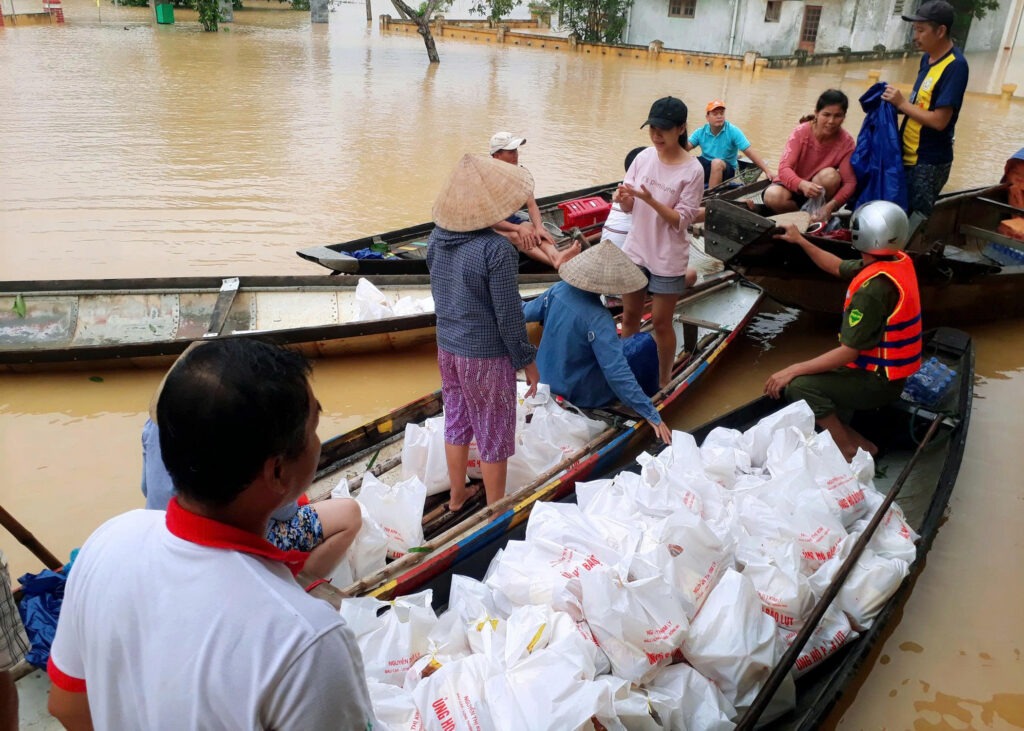
In November 2025, Typhoon Kalmaegi, one of the most intense storms to impact central Vietnam for decades, hit Gia Lai province. Historic flooding followed just ten days later. Record-breaking rainfall across both rivers in the Kon-Ha Thanh river system, compounded by tidal surges that breached dykes and drainage that was slowed by new development, created a “perfect combination for disaster” (Mr. Kiet, Division of Irrigation, Gia Lai). Provincial authorities are now concerned that the way they think about planning, Disaster Risk Management (DRM), and Disaster Risk Reduction (DRR) is falling short in the face of intensifying risks.
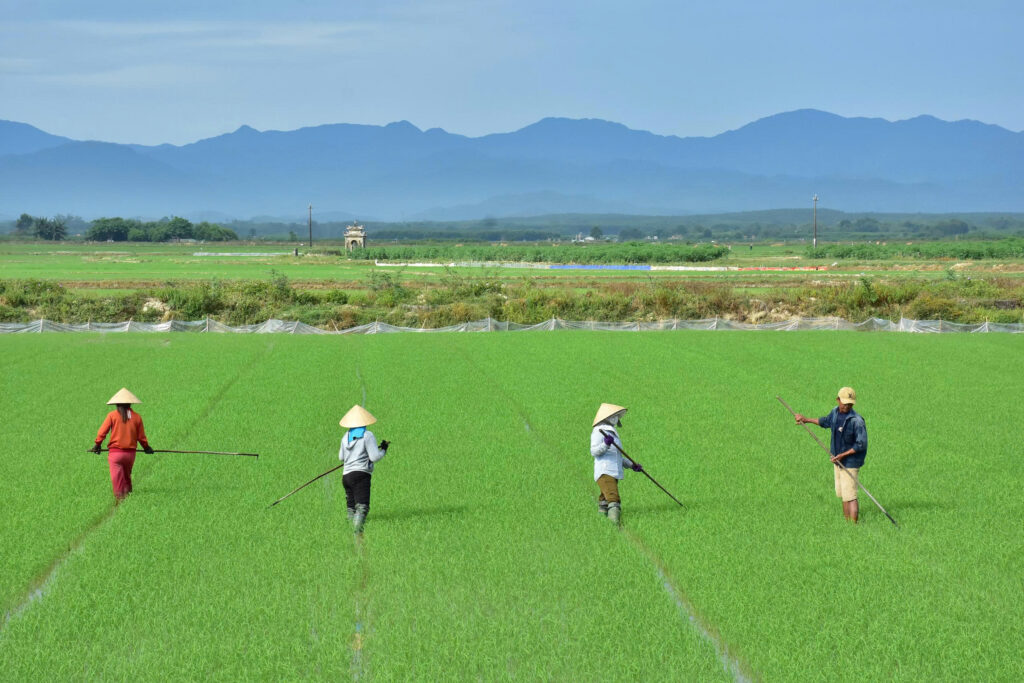
In Quang Tri province, the 2025 storm and flood season was active but not overly problematic; communities are well adapted to storms and floods, proactive about preparedness, and recover quickly. Abnormal dry-season flooding, however, caused damage and impacted livelihoods. For example, community members in Nam Hai Lang commune, where rice production is the primary source of income, suffered significant crop loss. Such floods, which were rare prior to 2020, have occurred four times in the past seven years. Yet, to date, there has been limited consideration for what to do if dry-season floods become a new normal.
What happens when communities meet limits to adaptation
While many Vietnamese communities are used to living with floods and storms, initial findings from our post-event reviews reveal there are limits to how much and how quickly they can adapt to what are now rapidly intensifying risks. The ways communities have been adapting are beginning to fail, and new thinking is needed.
Right now, in Vietnam, the time for new thinking is opportune. A national government mandate for provinces to target economic growth of at least 10% provides a window of opportunity for linking DRR, climate adaptation, and resilience building. A large disaster makes it almost impossible for a province to reach its annual national economic growth targets; consequently, there is suddenly much more interest in and focus on Disaster Risk Reduction and Management (DRRM). Yet intensifying events show that conventional DRRM, which relies on predicting and planning, will not be enough.
Resilience, which can position communities to address both expected and unexpected events, is increasingly needed. Achieving this will require transformative changes in how development, risk management, and adaptation efforts are realized.
Beyond adaptation to transformation
At its most basic, to adapt means to adjust. However, as these recent events in Vietnam illustrate, incremental adjustments are not always enough. Transformation – a fundamental shift in local systems, practices and livelihoods – is increasingly necessary for at-risk communities to meet the challenge of intensifying climate hazards.
This raises the question of how communities can and should shift the way they think about and respond to climate risks to maintain and enhance their resilience. As Plan and ISET’s work in Vietnam demonstrates, the answer begins with actively watching for and recognizing the limitations of adaptation and building resilience to address these limits.
For example:
- Adaptation limit: Sheltering in place fails when water rises to roof level or when floodwaters remain high for more than a planned number of days.
- Transformation: Transformation: Don’t wait; strengthen evacuation awareness and preparedness proactively. Develop inclusive action plans to strengthen the resilience of local communities.
- Adaptation limit: Partial evacuation. Increasing event intensity makes effective evacuation more important.
- Transformation: Provide financial incentives to people to evacuate or provide shelter for evacuees as the provincial government in Gia Lai did in advance of the 2025 floods, which resulted in increased compliance with evacuation orders and fewer deaths than in the neighboring province. Consider replicating this pilot at the national level. Improve EWS upstream and downstream to encourage prompt evacuation of downstream communities.
- Adaptation limit: Individual services are robust, but events in rapid succession put increased pressure on maintaining or rapidly restoring critical services like power, shelter, food, water, communications, and transportation.
- Transformation: Increase the robustness of critical services while also building in flexibility and creating redundant delivery mechanisms. For example, investing in solar-powered generators and backup power sources helps ensure that essential services can be maintained, and phones kept charged for early warning and communication during critical events.
New solutions may be needed as otherwise unsolvable challenges will inevitably appear. For example, developing alternative farming practices and livelihood options where increasingly out-of-season weather events are undermining the economics of farming, or rethinking urban development to significantly increase drainage.
Transforming to a “new normal”
“Unusual,” “unexpected,” and “abnormal” climate events are our “new normal”. Preparing means recognizing these events are no longer exceptional and asking what we want to do differently to thrive despite new conditions.
The answer lies in building resilience and in expanding our thinking beyond incremental actions that are running up against adaptation limits.
See our country page for more details on what Plan and ISET are doing in Vietnam to build resilience for at-risk communities.
Comments