
Peru


Our impact so far
Due to Peru’s geographical location and rugged topography, the Peruvian population is exposed to numerous hazards related to recurring phenomena such as landslides, floods, overflows and mudflows. According to the Ministry of the Environment, 67 per cent of disasters in Peru are related to climatic phenomena, causing 5.5 million Peruvians to be exposed to very heavy rainfall. Moreover, structural socioeconomic and urban planning problems make the impacts of flooding more severe and frequent than ever before.
As a result of climate change, retreating glaciers, change in rainy seasons, and pressures on local livelihoods, are also intensifying the risk and impacts of floods. In addition, agricultural land is ruined, infrastructure and basic services are damaged, and transport is restricted due to road closures. This has economic implications at all levels. Peru is also affected by the El Niño phenomenon, which causes major flooding on the Peruvian coast. Although the coastal area represents only 10 per cent of the country’s land, it is home to 54 per cent of the population.
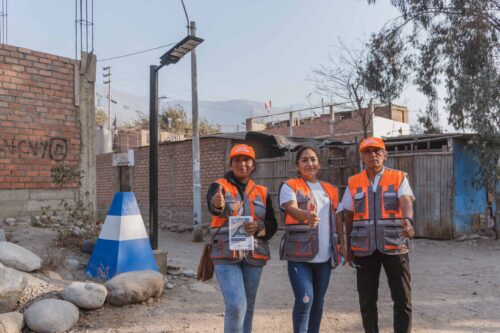
Practical Action is working with communities in the Rimac and Vilcanota river basins to empower them and provide the necessary tools so that people can not only deal with and recover from an emergency, but also manage their own risk. The Rimac basin supplies Lima, the country’s largest city, with water and is where landslides risk disrupting key national transport links. The Vilcanota basin is located in one of the most important areas for tourism and agriculture activities. Many resilience building actions can be taken at community level, as communities often know best when it comes to how and where they need to build resilience. In order to build safer and more resilient communities, Practical Action’s work focuses on three priority topics in Peru: early warning systems, the role of ecosystems in disaster risk management, and governance and investments. By working with these communities, we can demonstrate tangible impact on people’s lives and learn from best practices that can help shape policy at a higher level.
Testimonial
Angélica's story
Country Partners
Programme highlights
Resources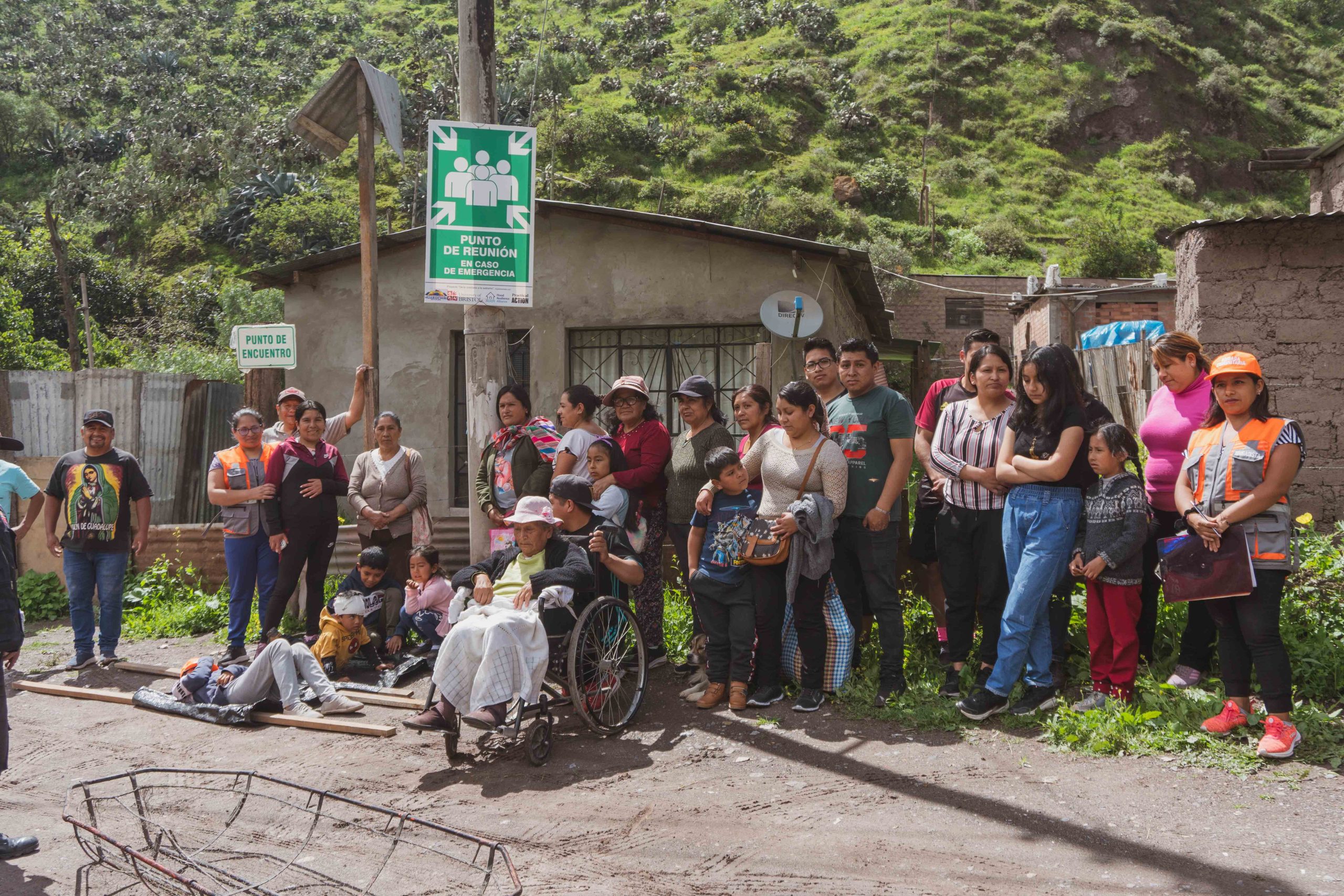
Strengthening resilience through deep engagement at the community level
Solution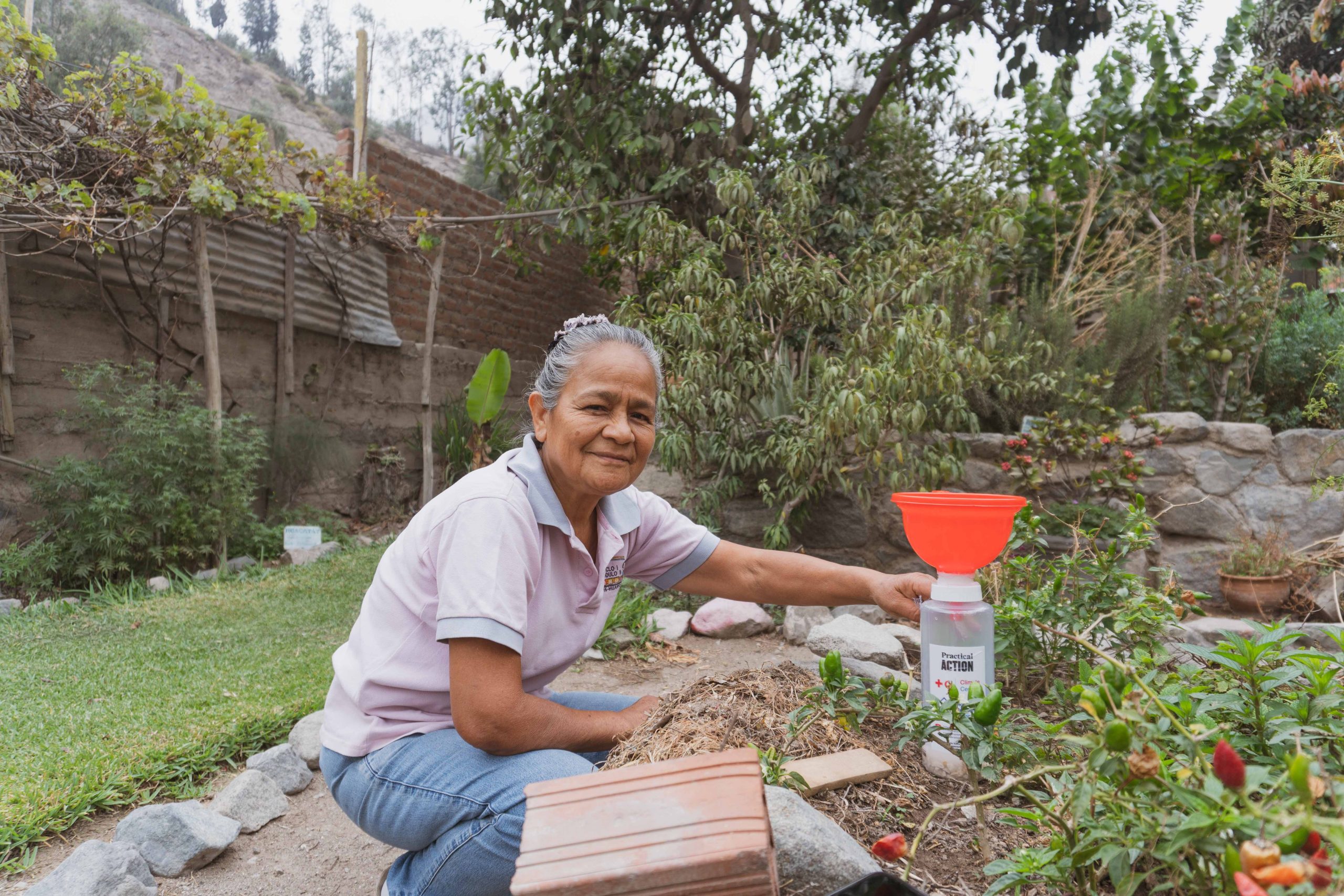
Solutions podcast - Participatory rainfall monitoring network in Peru
Case study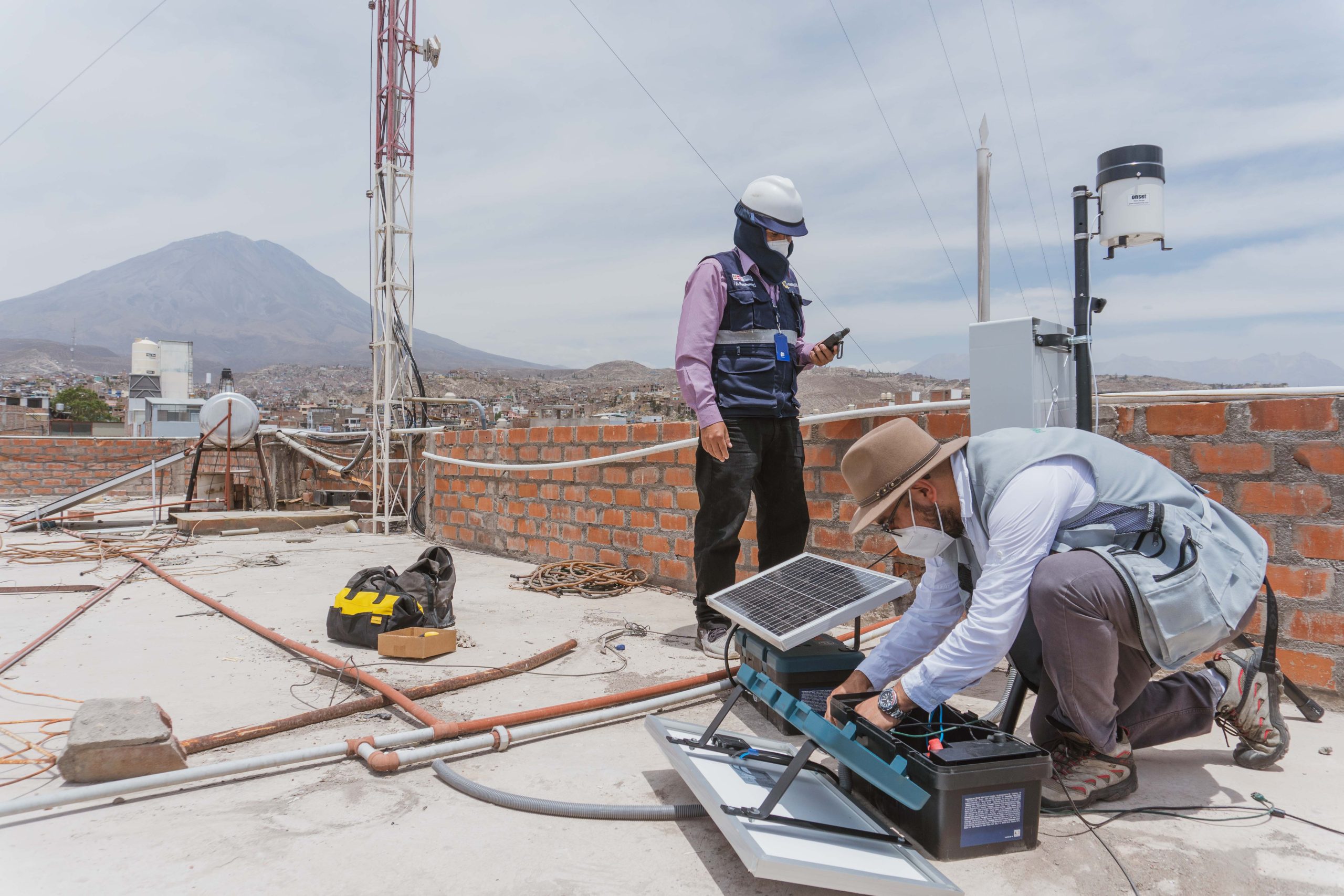
Practical Action Case study - Foundations for Change report
The future
As we move from a focus on flood resilience, to wider climate resilience, Practical Action teams in Peru will work to achieve the following:
1.
-
- Foster interaction between sectors, people and innovative technological tools to allow communities to thrive in an already changing climate.
2. Target regional and global initiatives such as Early Warnings for All and other World Meteorological Organization projects that can leverage our impact.
3. Through the Climate Resilience Measurement for Communities (CRMC) tool, contribute to the optimization of the Catastrophic Agricultural Insurance scheme and all related policies in a number of ways, both at pilot and national level.
4. Advocate for improved decision making for prospective risk reduction; particularly regarding how Nature-based Solutions can reduce risks and for clarity as to how cultural, social and gender dynamics must be taken into consideration.
5. Work alongside national entities to ensure that climate and weather forecasts trigger ex-ante action, be it short term (forecast based action / anticipatory action) or longer term (adaptation efforts).


